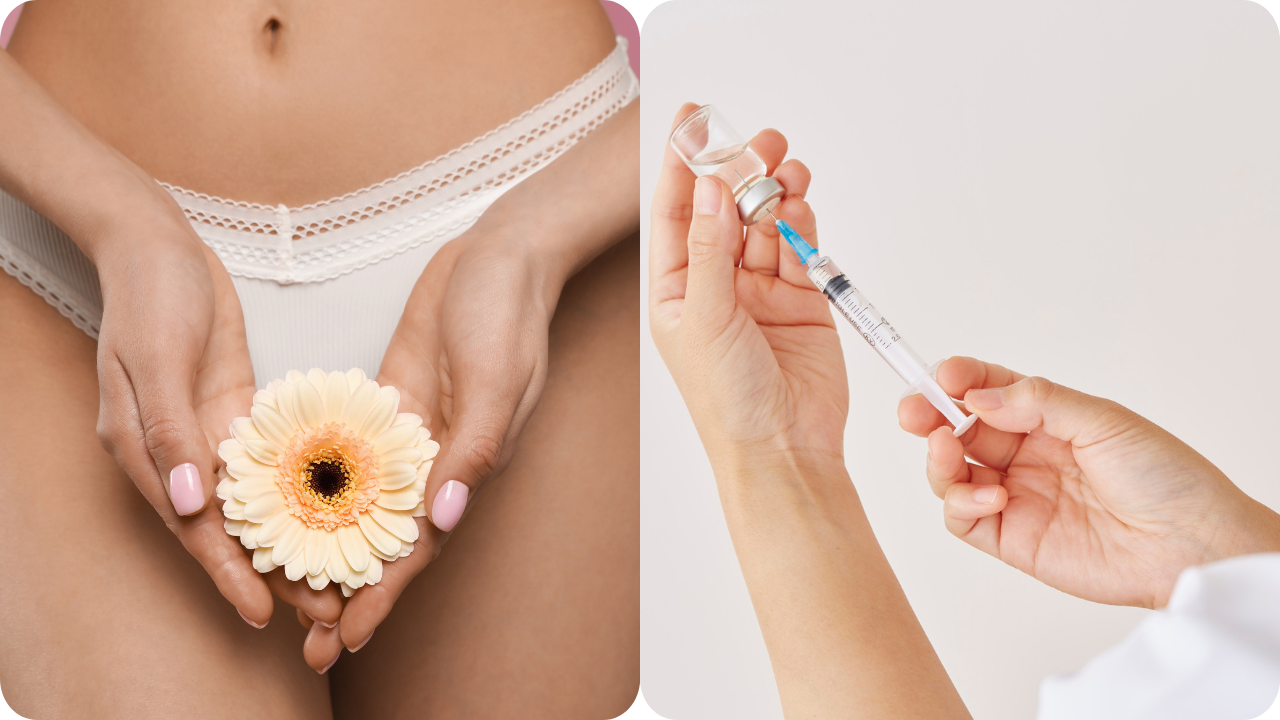
The use of GLP-1 weight loss medications like Ozempic has skyrocketed in recent years. Initially developed to help adults with type 2 diabetes control blood sugar levels, these medications have also shown significant results in weight loss. By 2021, the active ingredient in GLP-1 drugs was approved for chronic weight management in obese adults, leading to its label as a "wonder drug" for weight loss.
However, with this surge in popularity has come an increase in misuse. Ozempic and other GLP-1 medications, while effective, have led to a range of unintended side effects, particularly among women. The adverse impacts on the face (often referred to as "Ozempic face") and body (often called "Ozempic body") have been well-documented. But a lesser-known but concerning effect has emerged in women: changes in the vulva.
What is Ozempic Vulva?
The term "Ozempic vulva" refers to the noticeable physical changes that can occur in the female genitalia due to the rapid weight loss effects of the drug. Much like how the face can sag or lose volume, the vulva may also undergo changes, particularly in the labia. These changes may go unnoticed by many women since the vulva is typically a covered area. However, for some, the effects can be problematic.
Women may experience symptoms such as:
- Excessive chafing or rubbing: Particularly while wearing active sportswear.
- Hyperpigmentation: Darkening of the inner thighs or labial lips.
- Vulvar dryness or itching: Which may occur in the vaginal passage.
These symptoms can affect a woman’s quality of life and may lead to discomfort during everyday activities.
Why Does Ozempic Affect the Vulva?
The way Ozempic works is by reducing fat and helping with weight loss. While this is effective for many people, the rapid fat loss can also lead to a loss of volume and elasticity in areas of the body that typically have more fat stores—like the face, body, and vulva.
In women, the vulva can appear more saggy, dry, and prone to irritation. These changes, while not often discussed, can have a significant impact on self-esteem and overall comfort.
Solutions for Ozempic Vulva: What Can Be Done?
If you are experiencing changes to your intimate areas as a result of Ozempic, it’s important to seek guidance from a trained aesthetic gynecologist. Addressing intimate area concerns with the right medical professional ensures you receive the best care and treatment options.
- Non-Surgical Treatments: Energy-based devices can help rejuvenate the skin and restore some of the lost volume. These treatments may offer relief from dryness, sagging, and pigmentation issues.
- Fillers or Fat Injections: If there is noticeable volume loss or sagging in the labia, fillers or fat injections can be used to restore a more youthful and natural appearance.
- Labiaplasty Surgery: In cases where the physical appearance has changed significantly and is causing discomfort or distress, labiaplasty surgery can be performed to remove excess skin and restore the area to its previous state.
Other Management Tips
In addition to medical treatments, lifestyle changes can help improve the condition. Engaging in regular physical activity helps improve muscle tone and body core strength, while a healthy diet supports overall wellness.
Final Thoughts
Ozempic and other GLP-1 medications offer an effective weight loss solution, but they come with side effects that need to be understood. Women experiencing changes in their vulva or intimate areas should not hesitate to speak up and discuss these concerns with an aesthetic gynecologist. With the right treatment plan, you can manage these effects and feel confident and comfortable once again.

 Call Us
 WhatsApp