Skin Tags, Corns, and Warts
When it comes to skin growths and lesions, three common types often cause confusion: skin tags, corns, and warts. While they may seem similar at first glance, each has distinct characteristics, causes, and treatment options. Understanding these differences is key to managing them effectively.
At Yuvani Aesthetic Clinic, we specialize in the safe and precise removal of these lesions using advanced medical technology. Whether it's for cosmetic reasons or to alleviate discomfort, our expert physicians ensure a smooth and professional experience.
Skin Tags
What are Skin Tags? Skin tags (acrochordons) are small, benign growths that typically appear as soft, flesh-colored or slightly darker lumps hanging off the skin by a thin stalk. They are commonly found in areas where skin rubs against skin or clothing.
Key Causes:
Genetics: Family history often plays a significant role.
Friction: Frequent skin-on-skin contact in areas like the neck or armpits.
Hormonal changes: Often seen during pregnancy or due to metabolic factors.
Corns and Warts
Corns: Thickened areas of skin that develop due to pressure or friction, often on the feet. They can be painful and impact mobility if left untreated.
Warts: Rough, benign growths caused by the Human Papillomavirus (HPV). They are contagious and can spread to other parts of the body or other people if not addressed.
Professional Treatments at YUVANI:
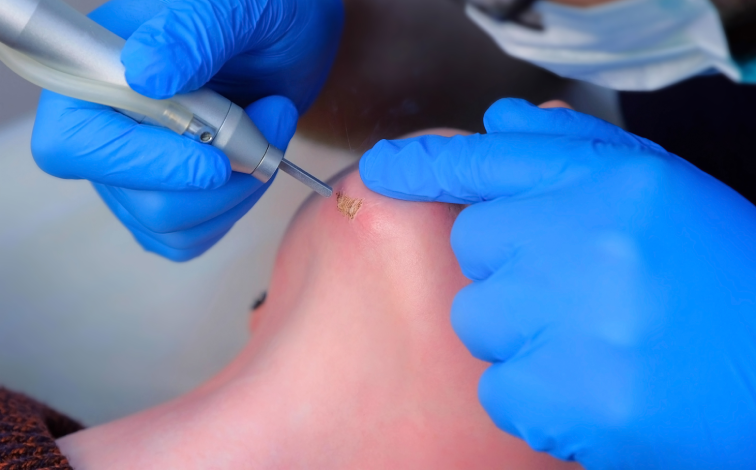
Advanced CO2 Laser: The gold standard for precise removal with minimal scarring.
Cryotherapy: Effective freezing technique for specific types of warts.
Radiofrequency Ablation: Precise cauterization for clean removal of skin tags.
Frequently Asked Questions
Is the removal of skin tags or moles painful?
We use a local anesthetic or numbing cream before the procedure, making it virtually painless. Most patients only feel a slight sensation during the numbing process.
Will there be a scar after the removal?
Our CO2 laser technology is highly precise and minimizes damage to the surrounding skin. While a small mark may remain initially, it usually fades significantly over time.
How long does the procedure take?
Most removals take only 5 to 15 minutes per lesion. You can resume your daily activities immediately after the treatment.

 Call Us
 WhatsApp