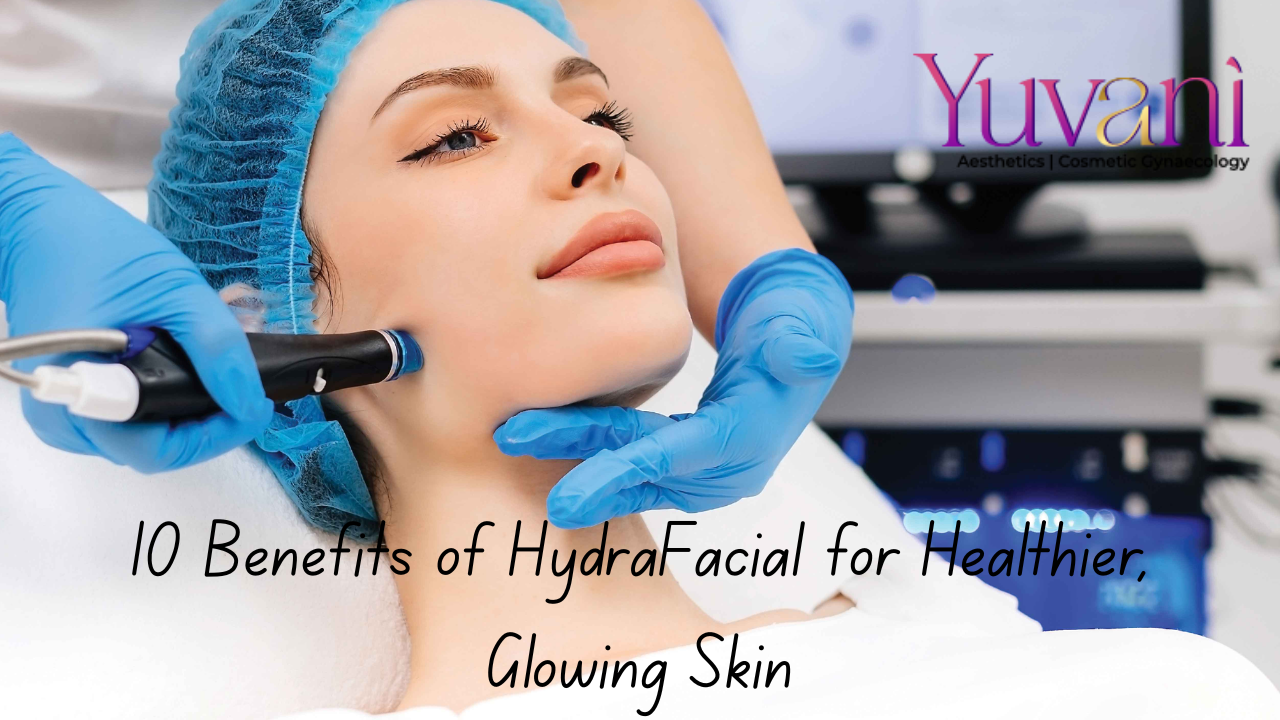
Healthy, glowing skin is not just about using the right moisturiser or following a daily skincare routine. Dirt, excess oil, dead skin cells, dehydration, sun exposure, and environmental pollution can all affect how your skin looks and feels. Over time, these factors may contribute to dullness, rough texture, clogged pores, and an uneven complexion.
If your skin looks tired despite following a skincare routine, a professional facial treatment may be worth considering. One option that has gained popularity is HydraFacial, a treatment designed to cleanse, exfoliate, extract impurities, and hydrate the skin.
For people exploring HydraFacial in Kharghar, understanding its benefits can help determine whether the treatment fits their skin concerns and goals.
At Yuvani Aesthetic Clinic, patients can explore professional skin treatments based on their individual needs. Here are ten potential benefits of HydraFacial and what you should know before booking a session.
What Is a HydraFacial?
HydraFacial is a non-invasive facial treatment that combines cleansing, exfoliation, extraction, and hydration. Depending on the system and treatment protocol, it uses specialised equipment to remove surface impurities and help clear congested pores while delivering hydrating skincare ingredients.
Unlike some more intensive skin procedures, a standard HydraFacial generally involves little downtime. However, the experience and results depend on the treatment settings, products used, and the condition of your skin.
HydraFacial may be considered for concerns such as dullness, dehydration, excess oil, mild congestion, and uneven-looking texture. It is not a cure for every skin problem, and conditions such as severe acne, persistent pigmentation, or significant scarring may require other treatments.
10 Benefits of HydraFacial for Healthier-Looking Skin
1. Helps Remove Surface Impurities
Daily cleansing removes much of the dirt, oil, sunscreen, and makeup that accumulate on the skin. However, some people continue to experience congestion or a rough skin surface despite regular cleansing.
HydraFacial combines cleansing and exfoliation to help remove surface impurities and dead skin cells. The extraction stage can also help clear some pore congestion.
This may leave the skin feeling cleaner and looking fresher.
It is important to remember that the treatment does not replace daily cleansing. Gentle skincare at home remains essential for maintaining skin health between professional sessions.
2. Improves the Appearance of Dull Skin
Dullness can develop when dead skin cells accumulate on the surface, the skin becomes dehydrated, or sun exposure affects its texture and tone.
HydraFacial exfoliates the outermost layer of the skin while providing hydration. This combination may help the complexion appear smoother and more radiant immediately after treatment.
People who feel their skin looks tired or lacks freshness may appreciate this temporary cosmetic improvement.
However, dullness can also be associated with underlying skin conditions, irritation, or other health factors. If it persists, a professional assessment may be more appropriate than repeatedly undergoing facials.
3. Provides a Boost of Hydration
Dehydration can make the skin feel tight, rough, or less supple. Fine surface lines may also become more noticeable when the skin lacks moisture.
HydraFacial treatments typically incorporate hydrating solutions that help improve the skin's surface moisture and appearance.
Potential benefits include:
- Skin that feels softer and more comfortable
- A smoother-looking surface
- Reduced appearance of dryness-related fine lines
- A fresher, more hydrated complexion
The improvement is primarily cosmetic and may be temporary. Maintaining hydration with a suitable moisturiser and drinking adequate fluids as part of your normal routine remain important.
If you have persistent dryness, redness, or itching, consult a dermatologist to identify the cause.
4. Helps Clear Congested Pores
Pores can become congested when oil, dead skin cells, and other material accumulate inside them. This may contribute to blackheads and a rough or uneven-looking complexion.
HydraFacial uses a combination of cleansing, exfoliation, and suction-assisted extraction to help remove some of this material.
For selected individuals, the treatment may improve the appearance of congestion and make the skin feel smoother.
However, pores are a normal part of skin anatomy. Their size is influenced by factors such as genetics, oil production, and skin elasticity. HydraFacial cannot permanently close or shrink pores, and congestion may return over time.
A consistent skincare routine and an appropriate treatment plan can help manage recurring concerns.
5. Helps Manage Excess Surface Oil
People with oily skin may notice shine around the forehead, nose, and chin, especially in warm or humid weather. Excess oil can also contribute to pore congestion in some individuals.
HydraFacial may help remove excess surface oil and impurities during the cleansing and extraction stages.
This can leave the skin feeling fresher without relying on aggressive scrubbing.
However, the treatment does not permanently reduce oil production. People with persistent oily skin may benefit from a tailored routine that includes suitable cleansers, non-comedogenic moisturisers, and dermatologist-recommended ingredients where appropriate.
If you have inflammatory acne, painful breakouts, or persistent pimples, HydraFacial should not replace an assessment for acne-specific treatment.
6. Supports Smoother-Looking Skin Texture
Uneven texture may be caused by dryness, accumulated dead skin cells, mild congestion, or previous skin inflammation.
By exfoliating the skin's surface and removing some pore debris, HydraFacial may help improve the appearance and feel of mild textural irregularities.
After treatment, some people notice that their skin feels softer and looks more refined.
However, there is an important distinction between superficial roughness and deeper skin concerns. Indented acne scars, raised scars, and significant sun damage usually require a more targeted treatment plan.
A dermatologist can help determine whether HydraFacial is appropriate or whether options such as microneedling, chemical peels, or selected laser procedures may be more suitable.
7. Gives Skin a Fresher Appearance Before Special Events
A special occasion, wedding, celebration, or professional event may encourage people to seek treatments that help their skin look refreshed.
HydraFacial is often considered because it combines cleansing, exfoliation, and hydration in one session and generally involves minimal downtime.
Some people notice an immediate improvement in skin smoothness and radiance, making it an option to discuss before an event.
However, every skin type responds differently. Redness, irritation, or sensitivity can occasionally occur, particularly if the skin is already inflamed or the treatment is too intensive.
If you are considering HydraFacial before an important event, discuss the timing with your practitioner and avoid trying unfamiliar treatments at the last minute.
8. Can Be Adapted to Different Skin Concerns
One advantage of professional facial treatments is that the approach can sometimes be adjusted according to the individual's skin condition.
Depending on the device, available products, and clinical protocol, a HydraFacial session may be tailored to address concerns such as:
- Surface dryness
- Mild congestion
- Excess surface oil
- Dullness
- Uneven-looking texture
Not every add-on or serum is appropriate for every person. For example, sensitive or irritated skin may require a gentler approach, while active inflammatory skin conditions may need medical treatment before a facial is considered.
At a consultation for HydraFacial in Kharghar, discuss your current skincare products, allergies, skin sensitivity, and primary concerns so that the treatment can be assessed appropriately.
9. Offers a Non-Surgical Treatment Option With Generally Minimal Downtime
Some skin-rejuvenation procedures involve more intensive exfoliation, controlled injury, or longer recovery periods. A standard HydraFacial is generally a gentler, non-invasive option.
Most people can return to their usual activities shortly after treatment. Temporary redness or sensitivity may occur, but significant downtime is not typical for a standard session.
This may appeal to people who want to refresh their skin without planning for an extended recovery.
Nevertheless, minimal downtime does not mean zero risk. Treatment intensity, added ingredients, existing skin conditions, and individual sensitivity can influence the experience.
Your practitioner should explain the expected effects and whether the treatment is appropriate for your skin.
10. Complements a Consistent Skincare Routine
Professional treatments can support skincare goals, but long-term skin health depends on more than occasional facials.
HydraFacial may temporarily improve cleansing, hydration, and surface texture. These effects can complement a routine designed for your skin type.
For ongoing maintenance, consider:
- Using a gentle cleanser
- Applying a moisturiser suited to your skin
- Wearing broad-spectrum sunscreen with SPF 30 or higher
- Avoiding excessive exfoliation
- Introducing active skincare ingredients gradually
- Seeking professional advice for persistent acne or pigmentation
The aim is to maintain a healthy skin barrier rather than repeatedly treating the skin aggressively.
Who May Benefit From HydraFacial?
HydraFacial may be worth considering if you experience:
- Dull or tired-looking skin
- Mild pore congestion
- Excess surface oil
- Dehydration
- Rough or uneven surface texture
- A desire for a refreshed appearance before an event
It may not be the right choice for everyone. People with active skin infections, significant irritation, open wounds, or certain inflammatory skin conditions may need to postpone treatment or explore alternatives.
If you have rosacea, eczema, active acne, or highly sensitive skin, tell your practitioner before booking. A professional assessment can help determine whether the treatment is appropriate and which settings or products, if any, should be avoided.
Is HydraFacial Suitable for Indian Skin?
HydraFacial may be suitable for many Indian skin types, but skin tone alone does not determine whether the treatment is appropriate.
Indian skin varies widely in oil production, sensitivity, pigmentation tendencies, and underlying skin concerns. Some individuals are also more prone to post-inflammatory hyperpigmentation, in which irritation or inflammation leaves dark marks.
A standard HydraFacial is generally less intensive than procedures that deliberately create more substantial skin injury. Even so, overly aggressive exfoliation or unsuitable products may irritate the skin and potentially worsen pigmentation in susceptible individuals.
A practitioner should consider your skin type, current condition, medical history, and previous reactions before recommending treatment.
How Often Should You Get a HydraFacial?
There is no universal schedule that suits everyone.
The frequency depends on your skin concerns, treatment intensity, tolerance, and the products used. Some people may choose occasional sessions, while others may discuss a regular maintenance schedule with their practitioner.
More frequent treatment is not necessarily better. Excessive exfoliation or repeated procedures that irritate the skin can compromise the skin barrier.
Before committing to a package, ask your practitioner why a particular frequency is recommended and whether there is a clear benefit for your skin concerns.
What Happens During a HydraFacial Session?
A typical appointment involves several stages, although the exact process varies according to the device and protocol.
Step 1: Skin assessment
The practitioner reviews your skin concerns, sensitivity, medical history, and current skincare routine.
Step 2: Cleansing and exfoliation
The skin is cleansed, and surface dead skin cells are removed using the treatment system.
Step 3: Extraction
Suction-assisted technology helps remove some impurities and debris from congested pores.
Step 4: Hydration
Hydrating solutions are applied to help improve the skin's surface moisture and appearance.
Step 5: Aftercare
You receive recommendations for moisturising, sun protection, and avoiding potentially irritating skincare products if necessary.
If your skin is sensitive or prone to pigmentation, discuss this before treatment so the practitioner can assess whether a modified approach is appropriate.
What Results Can You Expect After HydraFacial?
Some people notice smoother-feeling skin and an improvement in radiance immediately after treatment. The effect on hydration and surface texture may be noticeable, although results vary.
HydraFacial should not be expected to permanently change pore size, eliminate deep acne scars, remove all pigmentation, or stop the ageing process.
The duration of results depends on factors such as your skin type, skincare routine, environmental exposure, and the underlying concern being treated.
If you are targeting persistent pigmentation, severe acne, or deeper wrinkles, your practitioner may recommend a different or additional treatment based on your needs.
How to Care for Your Skin After HydraFacial
Aftercare helps reduce the likelihood of irritation and supports the skin barrier.
- Use a gentle cleanser.
- Apply a moisturiser suited to your skin type.
- Use broad-spectrum sunscreen with SPF 30 or higher.
- Avoid excessive exfoliation immediately after treatment.
- Follow your practitioner's advice about retinoids, acids, and other active ingredients.
- Avoid picking or squeezing any remaining blemishes.
- If you experience significant swelling, worsening redness, pain, or an unexpected reaction, seek medical advice.
Choosing HydraFacial in Kharghar
If you are considering HydraFacial in Kharghar, choosing a provider who assesses your skin before treatment is important.
At Yuvani Aesthetic Clinic, you can discuss your concerns, skin goals, and available treatment options with the clinic's team. Before booking, ask which treatment system is used, what the session includes, whether add-ons are proposed, and what results are realistic for your skin.
A good treatment plan should be based on your skin's needs rather than a standard package offered to everyone.
You can explore the clinic's Hydra-Medifacial treatment page to learn more about the service and discuss whether it is appropriate for you.
Frequently Asked Questions
1. Does HydraFacial make skin glow immediately?
Some people notice smoother, more hydrated, and fresher-looking skin immediately after a session. The degree of improvement varies, and the results are generally cosmetic rather than permanent.
2. Can HydraFacial remove blackheads?
HydraFacial can help extract some pore debris and blackheads. However, congestion can return, and persistent acne may require a more targeted treatment plan.
3. Is HydraFacial suitable for oily skin?
It may help remove excess surface oil and clear some congestion. It does not permanently reduce oil production, and people with active inflammatory acne should seek appropriate advice before treatment.
4. Can HydraFacial reduce pigmentation?
It may improve the appearance of dullness and some superficial unevenness, but it is not a definitive treatment for all types of pigmentation. The cause of the pigmentation should be assessed before choosing a treatment.
5. Is there any downtime after HydraFacial?
Most people experience little downtime after a standard treatment. Temporary redness or sensitivity can occur, and aftercare should be tailored to your skin.
6. How often should I get HydraFacial in Kharghar?
The appropriate frequency depends on your skin condition, treatment protocol, and tolerance. A practitioner can suggest a schedule based on your needs rather than using the same interval for everyone.
7. Can I wear makeup after HydraFacial?
This depends on how your skin responds and whether any additional procedures were performed. Follow your practitioner's instructions and avoid applying makeup if your skin is irritated or particularly sensitive.
8. Is HydraFacial suitable before a wedding or special occasion?
It may be an option for a refreshed appearance because standard treatments generally have minimal downtime. However, allow enough time before the event to identify any unexpected sensitivity or reaction.
Final Thoughts
HydraFacial can be a useful option for people looking to improve the appearance of dullness, mild congestion, dehydration, and uneven surface texture. By combining cleansing, exfoliation, extraction, and hydration, it offers several benefits in one non-invasive session.
However, it is not a solution for every skin concern, and results depend on the individual's skin condition and treatment protocol. Persistent acne, deep scarring, and significant pigmentation may require other approaches.
If you are exploring HydraFacial in Kharghar, consider a professional skin assessment at Yuvani Aesthetic Clinic to understand your options and determine whether the treatment suits your skin goals. A personalised approach, realistic expectations, and consistent skincare can help you work towards healthier-looking skin.

 Call Us
 WhatsApp