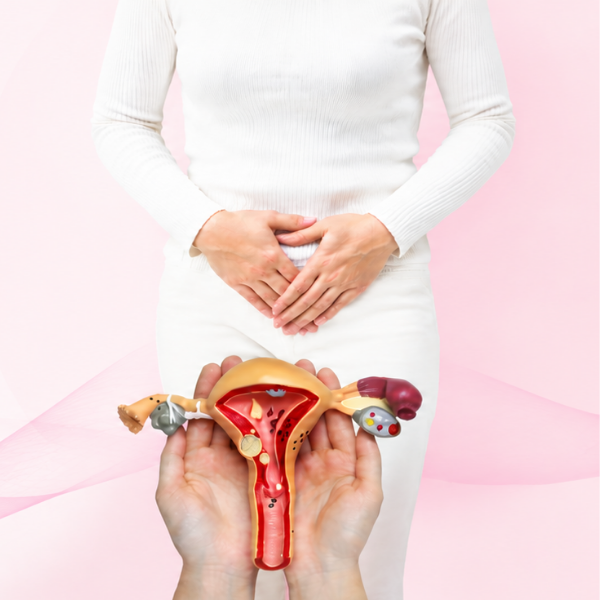
PCOD/PCOS (PMOS) Treatment in Navi Mumbai
Personalised care for irregular periods, hormonal acne, excess facial hair, hair thinning, fertility concerns, weight changes and other hormone-related symptoms.
At Yuvani Skin Aesthetics & Aesthetic Gynaecology Clinic in Kharghar, Navi Mumbai, women can receive a coordinated assessment of gynaecological concerns and associated skin and hair symptoms. Care is led by Dr. Nandita Dubey, Cosmetic Gynaecologist, with aesthetic skin and hair support from Dr. Gunjan Gangaraju, Aesthetic Physician, when appropriate.
Book a ConsultationIntroduction: PCOD/PCOS and the New Name PMOS
Polycystic ovary syndrome, commonly called PCOS and often searched as PCOD in India, has been renamed Polyendocrine Metabolic Ovarian Syndrome (PMOS) following an international consensus announced in May 2026. The new name reflects what doctors have long recognised: this is not simply a problem of “cysts” in the ovaries. It is a complex endocrine and metabolic condition that can influence menstrual cycles, ovulation, fertility, insulin function, body weight, skin and hair. The change in terminology does not mean that women with an earlier PCOS diagnosis have a different disease; it provides a more accurate description of the same condition.
Because PCOD and PCOS remain the terms most women currently know and search for, this page uses PCOD/PCOS alongside PMOS. Women looking for PCOS treatment in Navi Mumbai should receive care based on their individual symptoms, metabolic health, reproductive goals and clinical findings rather than a one-size-fits-all plan.
Why PCOD/PCOS Is More Than an Ovarian Problem
PMOS can affect several systems at the same time. Hormonal changes may interfere with regular ovulation and menstrual cycles. Higher androgen activity can contribute to facial or body hair growth, acne and scalp hair thinning. Insulin resistance and other metabolic changes can make weight management more difficult in some women and may contribute to longer-term metabolic concerns.
Importantly, a woman can have PMOS without being overweight and without having ovarian “cysts.” This is one reason the newer terminology is useful. A comprehensive assessment looks beyond the ovaries and considers menstrual, hormonal, metabolic, skin, hair and fertility concerns together.
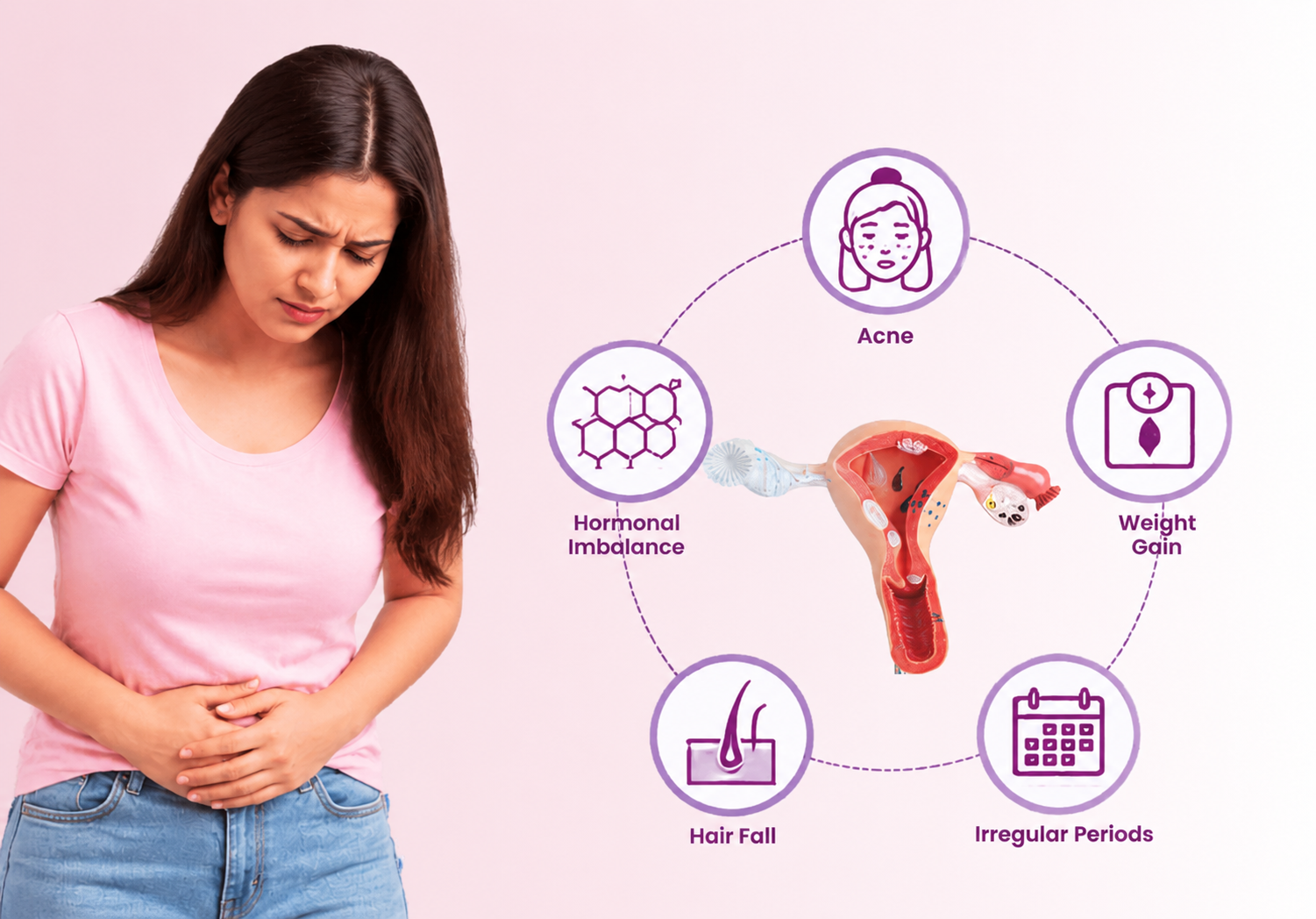
How PCOD/PCOS Affects Hormones, Skin & Hair
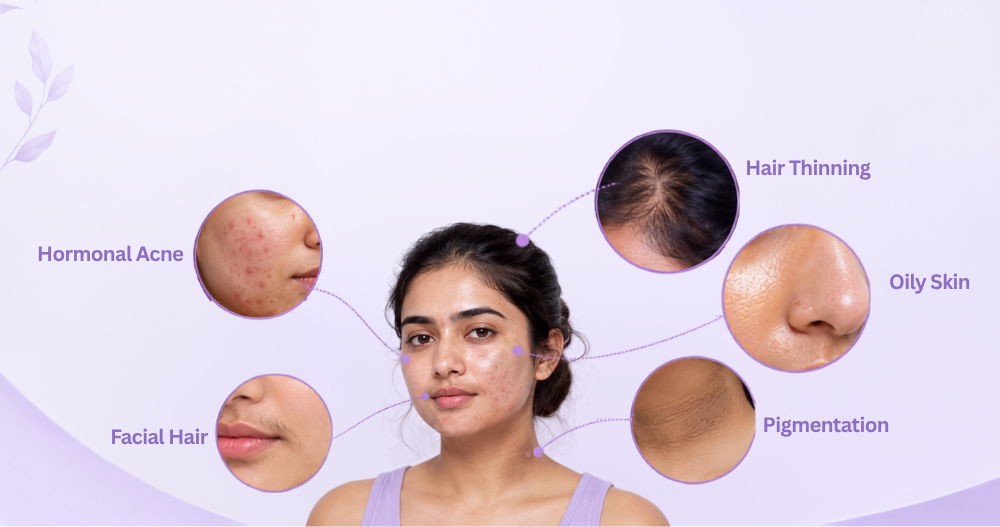
The skin and hair can sometimes provide visible clues to an underlying hormonal imbalance. Increased androgen activity may stimulate oil glands and influence hair follicles, contributing to persistent acne, unwanted facial hair and hair thinning over the scalp.
Insulin resistance may also be associated with darker, thicker or velvety skin, particularly around the neck, underarms or other body folds. This is known as acanthosis nigricans.
For this reason, hormonal acne treatment or cosmetic hair procedures alone may not fully address the underlying problem when PCOD/PCOS is present. A combined plan may include hormonal imbalance treatment, menstrual management, metabolic evaluation and targeted skin or hair care.
Causes and Risk Factors of PCOD/PCOS
There is no single known cause of PMOS. Research suggests that genetic susceptibility, altered hormone regulation and insulin resistance can all contribute to the condition. Symptoms may also occur in several members of the same family.
Higher body weight can worsen insulin resistance and some PMOS symptoms, but it is not the cause in every patient. Women with a normal body weight can also develop the condition.
Lifestyle, sleep, stress and activity patterns may influence overall metabolic health, but PCOD/PCOS should not be reduced to a lifestyle problem. Individual assessment is important because symptoms and metabolic risks vary considerably between women.
Symptoms of PCOD/PCOS & PMOS
Symptoms can differ from one woman to another. Common concerns include:
- Irregular, delayed or missed periods
- Difficulty predicting ovulation
- Difficulty becoming pregnant
- Persistent or hormonal acne
- Oily skin
- Increased facial or body hair
- Scalp hair thinning or excessive hair fall
- Weight gain or difficulty managing weight
- Darkened, velvety skin around the neck or body folds
- Hormone-related menstrual problems
Some women have only mild menstrual changes, while others first seek help for acne, hair loss or infertility.
Not everyone with PMOS experiences every symptom, and not every woman with irregular periods, acne or weight gain has PMOS. A proper medical evaluation is important before starting treatment.
Skin Problems Associated With PCOD/PCOS

Hormonal Acne
PCOS-related acne may affect the lower face, jawline, chin, chest or back and can sometimes worsen around the menstrual cycle.
Effective PCOS acne treatment may combine appropriate skincare or acne medicines with management of the hormonal factors contributing to breakouts.
At Yuvani, aesthetic skin care can be coordinated with gynaecological assessment when persistent acne appears to be associated with PMOS.
Facial Hair or Hirsutism
Coarser hair growth over areas such as the chin, upper lip, jawline, chest or abdomen can occur because of increased androgen activity.
Management may involve medical treatment aimed at controlling androgen-related symptoms together with direct hair-reduction methods such as laser when clinically suitable. Treatment selection depends on the severity of hair growth, hormone findings, pregnancy plans and individual medical factors.
Hair Thinning and Hair Fall
PMOS can be associated with female-pattern scalp hair thinning. However, hair loss can also occur due to nutritional deficiencies, thyroid problems, stress and several other causes.
For this reason, PCOS hair loss treatment should begin with an assessment of the pattern and possible contributing factors before selecting medical or aesthetic hair therapies.
Pigmentation and Acanthosis Nigricans
Dark, thickened or velvety patches around the neck, underarms or body folds may be associated with insulin resistance.
These changes should not always be approached as a purely cosmetic pigmentation problem. Metabolic evaluation and management may be important, while targeted pigmentation treatment can be considered for the visible skin concern.
Oily Skin
Increased androgen activity can stimulate sebum production, leading to persistent oiliness, clogged pores and acne in some women.
Skin care should be selected according to acne tendency, sensitivity and any hormonal or medical treatment already being used.
Diagnosis of PCOD/PCOS
PCOD/PCOS or PMOS is diagnosed from the overall clinical picture rather than a single blood test or ultrasound.
In adults, current guideline-based evaluation generally considers menstrual or ovulatory dysfunction, clinical or biochemical evidence of increased androgen activity, and polycystic ovarian morphology when required, after excluding other conditions that can cause similar symptoms. When irregular menstrual cycles and hyperandrogenism are already present, an ovarian ultrasound may not always be necessary for diagnosis.
Evaluation may include:
- Detailed menstrual and medical history
- Assessment of acne and unwanted hair growth
- Weight, waist and blood pressure assessment where appropriate
- Hormonal blood tests
- Blood glucose or other metabolic testing
- Pelvic ultrasound when clinically indicated
- Evaluation for other causes of irregular periods or androgen excess
Conditions such as thyroid disorders, elevated prolactin and certain other endocrine disorders may need to be ruled out.
Diagnosis in adolescents requires additional caution because some changes normally seen during puberty can overlap with features of PMOS.
PCOD/PCOS Treatment Approach
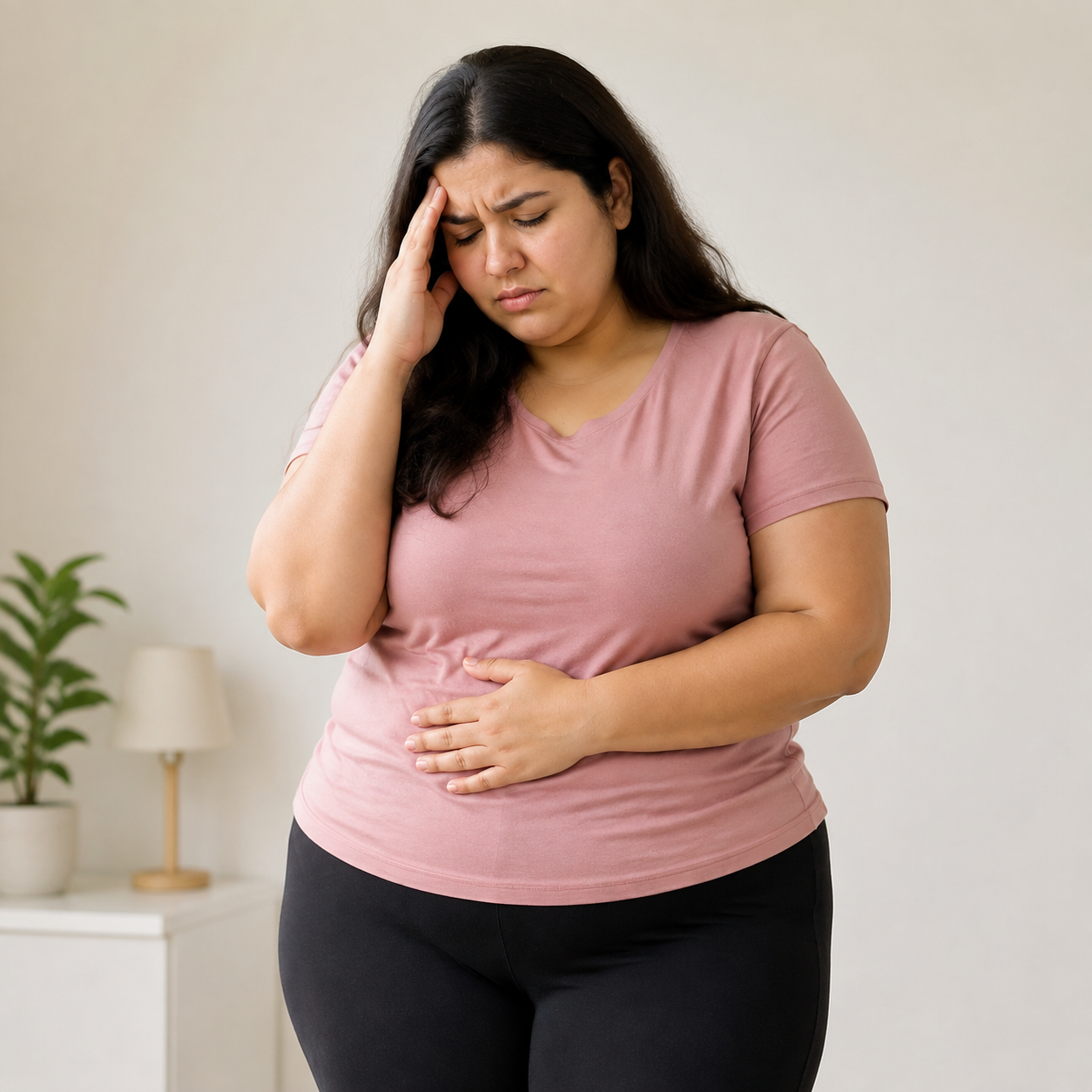
There is no single PCOD/PCOS treatment that is suitable for every woman. Management should be based on symptoms, metabolic health, medical history and whether pregnancy is currently being planned.
Gynecological Management
A gynaecological assessment helps identify menstrual irregularity, ovulation problems, abnormal bleeding and reproductive concerns.
Treatment can then be planned according to the woman's age, symptoms, medical history and future pregnancy goals.
Hormonal Regulation
For some women, prescription hormonal treatment may be considered to improve cycle regularity and reduce androgen-related symptoms.
The most appropriate treatment depends on individual health factors and should be prescribed only after medical evaluation. Current international guidance supports individualised treatment rather than a single medication strategy for every patient.
Period Correction
Irregular periods treatment focuses on identifying why cycles are irregular and creating a safer, more predictable menstrual pattern where appropriate.
For women who have very infrequent periods, management may also be important for protecting the lining of the uterus.
Fertility Management
PMOS is an important cause of ovulatory infertility, but having the condition does not automatically mean a woman cannot become pregnant.
PCOD and infertility treatment may include cycle tracking, ovulation assessment, optimisation of metabolic health and, when necessary, evidence-based ovulation treatment or referral for specialist fertility management.
Weight & Metabolic Management
PCOS weight management should be realistic, personalised and non-stigmatising.
Lifestyle intervention remains an important part of PMOS management. Medication may also be considered for metabolic indications or weight management in appropriately selected adults following medical evaluation.
Women who are planning pregnancy require specific preconception advice because not every medicine used for metabolic or weight management is suitable during pregnancy.
Skin & Hair Treatment
Skin and hair symptoms can be managed alongside the underlying hormonal condition.
Depending on the concern, treatment may include acne management, pigmentation care, laser hair reduction or selected hair therapies.
A combined PCOS skin problems treatment approach considers both the visible concern and possible hormonal or metabolic contributors.
Lifestyle Changes for Managing PCOD/PCOS
There is no single “PCOS diet” that works for every woman. International guidance emphasises sustainable lifestyle habits rather than one specific diet or restrictive programme.
Helpful habits may include:
- Eating balanced meals with adequate protein and fibre
- Including vegetables and minimally processed foods regularly
- Maintaining appropriate portion sizes
- Staying physically active
- Combining aerobic movement with strength-based activity
- Maintaining consistent sleep
- Managing ongoing stress
- Avoiding prolonged periods of inactivity
For women who are above their healthy weight range, gradual weight improvement may help certain metabolic and reproductive features. However, weight loss should not be presented as the only treatment for PMOS.
Women with lean PMOS also benefit from healthy eating, regular physical activity and metabolic monitoring even when weight loss is neither necessary nor recommended.
Why Choose Yuvani for PCOD/PCOS Treatment in Navi Mumbai?
Yuvani Clinic brings gynaecology and aesthetics together in one Kharghar setting, which can be particularly relevant for a condition that may affect periods, fertility, skin and hair simultaneously.
Dr. Nandita Dubey has more than 20 years of experience in gynaecology and is fellowship-trained in minimally invasive surgery. She has undertaken further training in Germany and London and holds advanced training in Cosmetic Gynaecology.
Dr. Gunjan Gangaraju is an Aesthetic Physician with training in anti-ageing medicine and experience in non-surgical aesthetic, skin, pigmentation and hair-related treatments.
This combined approach allows women to discuss menstrual or fertility concerns with a gynaecologist while also receiving appropriate evaluation for acne, pigmentation, unwanted facial hair or hair thinning.
When metabolic, endocrine, fertility or other specialist evaluation is required, additional referral can be recommended according to the patient's needs.
Women searching for a PCOD doctor in Mumbai, PCOD treatment in Mumbai, or a PCOS specialist gynecologist in Navi Mumbai may also consider specialist care in Kharghar, particularly when convenient follow-up for reproductive and associated skin or hair concerns is important.
FAQs About PCOD/PCOS and PMOS
What is PMOS, and is it the same as PCOS?
Yes. PMOS stands for Polyendocrine Metabolic Ovarian Syndrome and is the new name adopted in 2026 for the condition previously called PCOS. The condition itself has not suddenly changed. The new name more accurately reflects its hormonal, metabolic and reproductive features and moves away from the misleading idea that ovarian cysts must always be present.
Can PCOD/PCOS cause acne and hair loss?
Yes. Increased androgen activity associated with PMOS can contribute to hormonal acne, excess facial or body hair and scalp hair thinning. However, acne and hair loss have several possible causes, so evaluation is recommended before starting PCOS acne treatment or PCOS hair loss treatment.
Can PCOD/PCOS be cured permanently?
There is currently no single permanent cure for PMOS, but symptoms and associated health concerns can often be managed effectively. Treatment may change throughout life depending on whether the main concern is irregular periods, acne, fertility, metabolic health, excess hair growth or another symptom.
How is PCOD/PCOS diagnosed?
Diagnosis is based on menstrual history, evidence of androgen excess and ovarian findings when needed, while excluding other medical conditions that can produce similar symptoms. An ultrasound alone does not diagnose PMOS, and some adults may not require an ultrasound when other diagnostic features are already clearly present.
Can PCOD/PCOS cause infertility?
PMOS can make pregnancy more difficult when ovulation is irregular or absent, but it does not mean that a woman cannot become pregnant. Many women conceive naturally, while others may benefit from ovulation treatment or fertility support depending on their age and individual clinical findings.
Does every woman with PCOD/PCOS need to lose weight?
No. PMOS can occur at different body sizes. Women who are above their healthy weight range may benefit metabolically from gradual, sustainable weight reduction, but lean women should not be advised to lose weight unnecessarily. Lifestyle management should focus on metabolic health, nutrition, physical fitness and long-term wellbeing.
Are irregular periods always caused by PCOD/PCOS?
No. Pregnancy, thyroid disorders, elevated prolactin, significant weight changes, stress, certain medicines and other hormonal conditions can also affect menstrual cycles. Persistent irregular periods should therefore be evaluated before assuming that PMOS is the cause.
When should I see a doctor for possible PCOD/PCOS?
Consider a medical assessment if your periods are repeatedly irregular or absent, acne remains persistent, facial hair is increasing, scalp hair is thinning, you are experiencing metabolic or weight concerns, or you are having difficulty becoming pregnant. Earlier evaluation can help identify the underlying cause and determine the most appropriate management approach.
Personalised PCOD/PCOS Care in Kharghar, Navi Mumbai
PCOD/PCOS—now known as Polyendocrine Metabolic Ovarian Syndrome (PMOS)—is a broader hormonal and metabolic condition rather than simply an ovarian or period problem.
Effective management starts by understanding which symptoms are affecting you most and creating an individualised plan around menstrual health, hormonal balance, fertility goals, metabolic health, skin and hair concerns.
For personalised PCOD/PCOS treatment in Navi Mumbai, consult Dr. Nandita Dubey at Yuvani Skin Aesthetics & Aesthetic Gynaecology Clinic in Kharghar. When appropriate, associated skin and hair concerns can also be evaluated by Dr. Gunjan Gangaraju.
Take the first step towards understanding and managing your PCOD/PCOS symptoms.
Book an Appointment at Yuvani Clinic
 Call Us
 WhatsApp