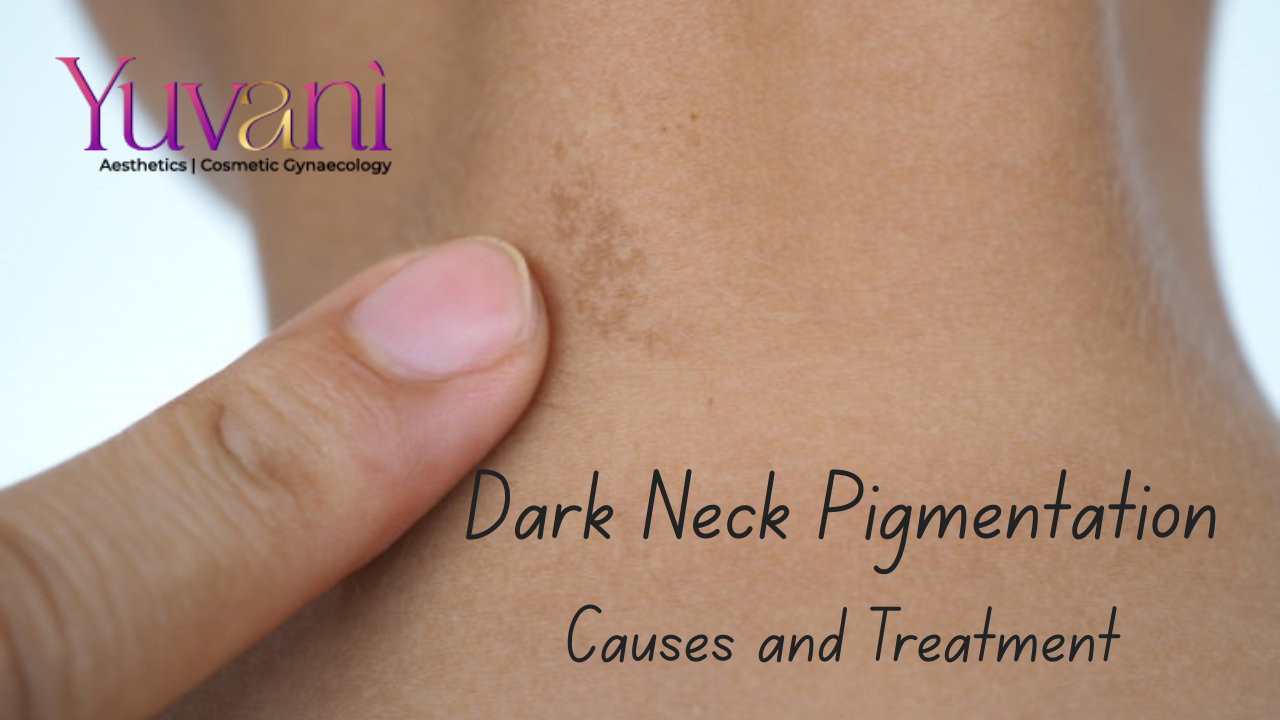
A darker neck is a common skin concern that can make the skin appear uneven in tone compared with the face. Some people notice gradual darkening around the back or sides of the neck, while others may develop a thicker, rougher, or velvety-looking patch of skin.
Although dark neck pigmentation is sometimes associated with sun exposure or friction, it can also have other causes. Hormonal changes, certain skin conditions, medications, and metabolic factors may contribute to pigmentation around the neck.
Understanding the reason behind the pigmentation is important because simply using a fairness cream or scrubbing the area repeatedly may not address the underlying problem.
If the pigmentation is persistent, spreading, becoming thicker, or accompanied by other skin or health changes, a professional skin assessment is recommended. Depending on the cause, Pigmentation Treatment in Kharghar may include topical medications, chemical peels, laser-based treatments, or a combination of approaches.
What Is Dark Neck Pigmentation?
Dark neck pigmentation refers to an increase in the colour of the skin around the neck.
It may appear as:
- Brown or dark patches
- Uneven skin tone
- Darkening around the folds of the neck
- Thickened or velvety skin
- Rough-looking patches
- Diffuse darkening around the neck
The appearance can vary depending on the cause.
In some cases, the skin is simply darker without any change in texture. In others, pigmentation may occur along with thickening or a velvety texture.
This difference can provide an important clue about what may be causing the problem.
What Causes a Dark Neck?
There isn't one single cause of neck pigmentation. Several factors can contribute to darkening of the skin.
1. Sun Exposure
The neck is often overlooked when applying sunscreen.
Repeated exposure to ultraviolet (UV) radiation can stimulate melanin production and contribute to uneven pigmentation and tanning.
Over time, this may make the neck appear darker than areas that receive better sun protection.
People who spend considerable time outdoors may be particularly prone to sun-related pigmentation.
What can help?
Daily use of a broad-spectrum sunscreen on the neck can help prevent further UV-related pigmentation.
However, existing pigmentation may require targeted treatment depending on its severity and cause.
2. Friction
Repeated rubbing can sometimes contribute to skin darkening.
Potential sources include:
- Tight collars
- Jewellery
- Rough fabrics
- Frequent scratching
- Repeated rubbing while exercising
- Skin-on-skin friction
When the skin experiences repeated irritation or inflammation, it can develop post-inflammatory hyperpigmentation.
Reducing the source of friction is therefore an important part of managing pigmentation.
3. Acanthosis Nigricans
One of the more important causes of a dark neck is acanthosis nigricans.
This condition often appears as darker, thicker, velvety skin, particularly around body folds.
The neck is one of the most common areas affected.
Acanthosis nigricans can be associated with:
- Insulin resistance
- Prediabetes
- Type 2 diabetes
- Obesity
- Certain hormonal conditions
- Some medications
It does not mean that every person with a dark neck has diabetes or insulin resistance. However, if the skin appears thickened and velvety, particularly if the change developed relatively recently, medical evaluation may be worthwhile.
Treating the underlying cause is often an important part of improving the skin.
4. Post-Inflammatory Hyperpigmentation
Skin inflammation or irritation can leave behind darker patches.
This may occur after:
- Rashes
- Eczema
- Allergic reactions
- Scratching
- Acne-like irritation
- Skin infections
- Aggressive skincare treatments
The pigmentation may remain even after the original irritation has resolved.
Treatment generally focuses on both controlling the underlying inflammation and gradually reducing the pigmentation.
5. Hormonal Changes
Hormonal changes can influence pigmentation.
Conditions associated with hormonal imbalance may sometimes contribute to changes in skin pigmentation.
For example, some women may notice pigmentation changes associated with conditions involving hormonal or metabolic disturbances.
If neck pigmentation develops alongside other symptoms such as irregular periods, increased facial hair, unexplained weight changes, or significant acne, a medical evaluation may be appropriate.
6. Certain Medications
Some medications can contribute to changes in skin pigmentation.
If you noticed your neck becoming darker after starting a new medication, do not stop the medication on your own.
Instead, discuss the change with your prescribing doctor or dermatologist.
7. Poor Skincare Practices
Aggressive scrubbing is a common response to dark neck pigmentation, but it may actually make the problem worse.
Repeated friction can irritate the skin and potentially contribute to further pigmentation.
Similarly, using strong bleaching products or multiple exfoliating acids without professional guidance can damage the skin barrier.
A gentler approach is usually safer.
Why Is the Skin on My Neck Darker Than My Face?
The neck may become darker than the face for several reasons.
One common reason is inconsistent sun protection. Many people apply sunscreen to their face but stop at the jawline, leaving the neck exposed.
Other factors may include:
- Friction from clothing
- Different skincare routines
- Hormonal or metabolic factors
- Acanthosis nigricans
- Previous irritation
- Differences in skin thickness and pigmentation response
The exact cause matters because treatment should be based on diagnosis rather than simply trying to lighten the skin.
How Is Dark Neck Pigmentation Diagnosed?
A dermatologist generally begins with a detailed examination of the affected skin.
They may assess:
- Colour
- Texture
- Thickness
- Distribution
- Duration of pigmentation
- Presence of itching or irritation
- Other areas of pigmentation
Your medical history may also be discussed.
If the appearance suggests acanthosis nigricans or another underlying condition, your doctor may recommend appropriate blood tests or medical evaluation.
This is particularly important when pigmentation develops suddenly or is associated with other symptoms.
Treatment Options for Dark Neck Pigmentation
The most appropriate treatment depends on the underlying cause.
There is no single treatment that works for every type of dark neck pigmentation.
1. Topical Treatments
Depending on the diagnosis, a dermatologist may recommend topical products containing ingredients that help improve pigmentation or skin turnover.
These may include ingredients such as:
- Retinoids
- Azelaic acid
- Certain pigment-reducing agents
- Other dermatologist-prescribed formulations
The choice depends on your skin type, pigmentation pattern, sensitivity, and underlying cause.
Prescription-strength treatments should be used under professional guidance because inappropriate use can cause irritation and worsen pigmentation.
2. Chemical Peels
Chemical peels use carefully selected exfoliating agents to improve the appearance of uneven pigmentation and skin texture.
Depending on the skin and the type of pigmentation, different peeling agents and strengths may be considered.
Chemical peels may help by:
- Removing damaged surface cells
- Improving skin texture
- Reducing the appearance of superficial pigmentation
- Supporting more even-looking skin
However, peels must be selected carefully, especially for darker skin tones, because excessive irritation can result in post-inflammatory hyperpigmentation.
3. Laser Treatments
Certain laser and light-based treatments may be considered for specific types of pigmentation.
The appropriate device and settings depend on:
- Type of pigmentation
- Skin tone
- Depth of pigmentation
- Sensitivity
- Previous treatment history
Laser treatment is not automatically the best option for every dark neck. Incorrect treatment or inappropriate settings can potentially cause burns or worsening pigmentation.
This is why professional assessment is essential before choosing a laser procedure.
4. Combination Treatments
Pigmentation can sometimes be difficult to manage with one treatment alone.
A dermatologist may recommend a combination approach involving:
- Topical skincare
- Chemical peels
- Laser treatments
- Sunscreen
- Treatment of underlying medical conditions
Combination therapy can be particularly useful when multiple factors are contributing to the pigmentation.
What If Dark Neck Pigmentation Is Caused by Acanthosis Nigricans?
This is an important distinction.
If the darkening is caused by acanthosis nigricans, treating only the pigmentation may not be enough.
The underlying metabolic or hormonal issue may need to be addressed.
Depending on the individual situation, your doctor may recommend evaluation for:
- Blood glucose
- Insulin resistance
- Diabetes risk
- Hormonal disorders
- Other associated conditions
Improving the underlying condition may help the skin changes over time, although the pigmentation may not disappear immediately.
Dermatological treatments can sometimes be considered to improve the appearance of the skin once the underlying cause is being appropriately managed.
Can Home Remedies Remove Dark Neck Pigmentation?
Many home remedies are promoted for dark neck pigmentation, including lemon juice, baking soda, scrubs, toothpaste, and other DIY mixtures.
These approaches are not recommended.
Ingredients such as lemon juice or baking soda can irritate the skin, disrupt the skin barrier, and potentially make pigmentation worse.
Similarly, vigorous scrubbing does not "remove" pigmentation. It can create additional irritation and inflammation.
Instead, focus on:
- Gentle cleansing
- Regular moisturisation
- Daily sunscreen
- Avoiding unnecessary friction
- Using dermatologist-recommended pigmentation treatments
Is Scrubbing Good for a Dark Neck?
No, aggressive scrubbing is not a reliable treatment for pigmentation.
A common misconception is that a dark neck is simply caused by accumulated dirt.
While cleansing is important, pigmentation is caused by changes in melanin production or distribution—not simply by dirt sitting on the surface.
Repeated scrubbing can cause irritation and inflammation, potentially worsening the appearance.
If your neck remains dark despite regular bathing and cleansing, the issue is likely more than surface dirt.
How Can You Prevent Neck Pigmentation From Getting Worse?
Prevention is an important part of pigmentation management.
Apply sunscreen to your neck
Use broad-spectrum sunscreen on exposed areas of the neck every day.
Avoid unnecessary friction
Choose comfortable clothing and avoid repeated rubbing or scratching.
Keep your skincare routine gentle
Avoid excessive exfoliation and harsh scrubbing.
Treat skin inflammation early
If you develop eczema, rashes, or irritation, seek appropriate treatment rather than repeatedly scratching the area.
Manage underlying health conditions
If pigmentation is associated with insulin resistance, diabetes, hormonal issues, or another medical condition, addressing the underlying problem is important.
How Long Does It Take to Improve?
Pigmentation rarely disappears overnight.
The time required for improvement depends on:
- Cause
- Depth of pigmentation
- Skin type
- Duration of the problem
- Treatment selected
- Sun exposure
- Consistency with aftercare
Some superficial pigmentation may improve gradually over several weeks or months, while more persistent pigmentation may require longer-term management.
The goal should be gradual and safe improvement rather than aggressive lightening.
Is Pigmentation Treatment Safe for Indian Skin?
Many pigmentation treatments can be performed safely on Indian skin when they are appropriately selected and performed by an experienced professional.
However, darker skin types can be more prone to post-inflammatory hyperpigmentation after certain procedures.
This makes treatment planning particularly important.
A dermatologist may choose lower treatment intensities, specific wavelengths, carefully selected peels, or combination approaches depending on your skin type.
The safest treatment is not necessarily the strongest one. The right treatment is the one appropriately matched to your skin and the cause of pigmentation.
When Should You See a Dermatologist?
You should consider professional evaluation if:
- Your neck pigmentation is persistent
- The skin has become thick or velvety
- Pigmentation is spreading
- The change appeared suddenly
- You have associated itching or irritation
- You have pigmentation in other body folds
- You have other hormonal or metabolic symptoms
- Home skincare has not helped
- Pigmentation is affecting your confidence
A professional evaluation can help distinguish simple tanning from conditions such as acanthosis nigricans, post-inflammatory pigmentation, or other skin disorders.
What Can You Expect From Pigmentation Treatment in Kharghar?
If you seek Pigmentation Treatment in Kharghar, the first step should be a proper assessment rather than immediately starting a procedure.
Your skin professional may evaluate the pigmentation and determine whether it is primarily related to sun exposure, friction, inflammation, acanthosis nigricans, hormonal factors, or another cause.
Based on the assessment, your treatment plan may include topical skincare, chemical peels, laser-based treatments, lifestyle changes, or a combination of options.
The treatment plan should be personalised because pigmentation behaves differently depending on the individual's skin type and underlying cause.
Frequently Asked Questions
Can a dark neck be a sign of diabetes?
Sometimes. A dark, thick, velvety neck can be associated with acanthosis nigricans, which may occur alongside insulin resistance or diabetes. However, a dark neck does not automatically mean that someone has diabetes. Medical evaluation can help determine the cause.
Can sunscreen help with dark neck pigmentation?
Yes. Sunscreen can help prevent further UV-related pigmentation and protect the skin while you undergo treatment. It should be applied to the exposed neck as well as the face.
Can a chemical peel lighten a dark neck?
A professionally selected chemical peel may improve certain types of superficial pigmentation. However, the peel must be appropriate for your skin type and pigmentation because excessive irritation can worsen pigmentation.
Is laser treatment suitable for dark neck pigmentation?
Laser treatment may be appropriate for selected pigmentation concerns, but it is not suitable for every case. Skin type, pigmentation depth, and the underlying cause should be assessed before treatment.
How can I permanently remove neck pigmentation?
There is no guaranteed permanent solution because pigmentation can return if the underlying trigger continues. Long-term management involves identifying the cause, protecting the skin from the sun, avoiding irritation, and following an appropriate treatment plan.
Should I scrub my neck to remove the darkness?
No. Pigmentation is not simply dirt that can be scrubbed away. Aggressive scrubbing may irritate the skin and make pigmentation worse.
Final Thoughts
Dark neck pigmentation can have several causes, ranging from sun exposure and friction to post-inflammatory changes, hormonal factors, and conditions such as acanthosis nigricans.
Because the treatment depends heavily on the underlying cause, it is important not to assume that every dark neck needs the same cream, peel, or laser treatment.
If your pigmentation is persistent, becoming darker or thicker, or affecting your confidence, a professional skin assessment can help identify the cause and guide you towards an appropriate solution.
With the right diagnosis and a personalised treatment plan, Pigmentation Treatment in Kharghar can focus not only on improving the appearance of dark neck pigmentation but also on addressing the factors that may be contributing to it.
For expert advice and personalized skincare treatments, contact us:
Yuvani Skin Aesthetics & Aesthetic Gynaecology Clinic
Address: First Floor, Shop No. 74-77, Chaturbhuj HSG, Plot No. 61, Sector - 21, Kharghar, Navi Mumbai - 410210
Phone: +91 7977585840 / 022-31859328

 Call Us
 WhatsApp