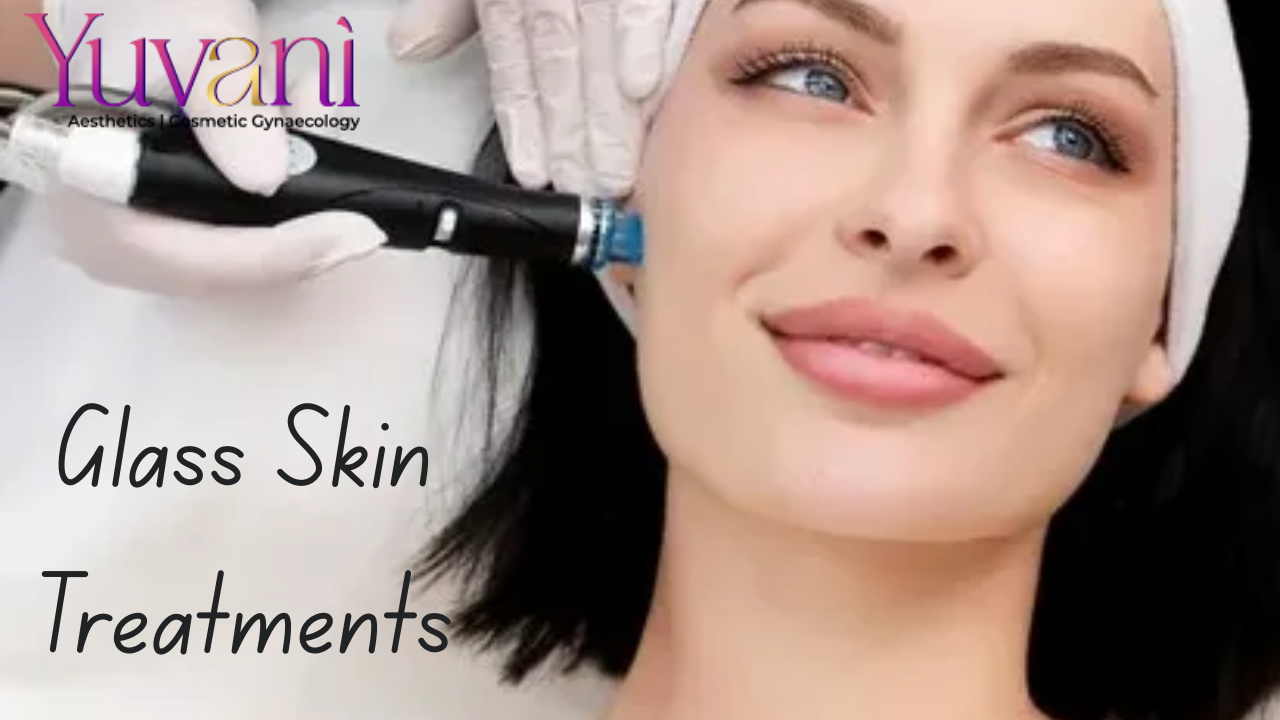
“Glass skin” has become one of the most popular skincare goals, describing skin that looks exceptionally smooth, hydrated, clear, and luminous. The idea is not necessarily to have flawless or poreless skin, but to achieve a healthy-looking complexion with good hydration, an even texture, and a natural glow.
However, getting this appearance is not as simple as applying a single skincare product or booking one facial. Glass skin is usually the result of consistent skincare, good hydration, sun protection, and treatments chosen according to your individual skin concerns.
Professional treatments can also help improve dullness, dehydration, clogged pores, uneven texture, and superficial pigmentation. Among these, HydraFacial is often considered when the goal is to refresh and hydrate the skin with minimal downtime.
If you are considering HydraFacial in Kharghar, understanding what the treatment can realistically achieve—and what it cannot—is important before starting a glass-skin routine.
What Does “Glass Skin” Actually Mean?
Glass skin is a beauty term rather than a medical diagnosis.
It generally describes skin that appears:
- Smooth
- Hydrated
- Plump
- Radiant
- Even-toned
- Refreshed
- Healthy-looking
The characteristic glow comes from the way light reflects off a relatively smooth and well-hydrated skin surface.
Importantly, healthy skin naturally has pores, fine lines, expression lines, and variations in texture.
The goal should therefore not be to eliminate every pore or achieve digitally edited perfection.
Instead, the focus should be on improving skin health and texture while maintaining realistic expectations.
What Prevents Skin From Looking Smooth and Glowy?
Several factors can affect how radiant your skin appears.
- Dehydration: When the skin lacks adequate water, it may look dull, tired, or more textured. Even oily skin can be dehydrated.
- Dead Skin Cell Buildup: Dead cells accumulating on the surface can make the complexion look rough and uneven.
- Clogged Pores: Oil, dead skin cells, makeup, and other impurities can contribute to congestion and make pores appear more noticeable.
- Sun Exposure: UV exposure can contribute to pigmentation, uneven skin tone, collagen breakdown, and premature skin ageing.
- Dry or Damaged Skin Barrier: Over-exfoliation, harsh cleansers, excessive use of active ingredients, and environmental exposure can compromise the skin barrier.
- Pigmentation: Dark spots, post-acne marks, and uneven pigmentation can make the complexion appear less uniform.
- Acne and Acne Scars: Active acne and post-acne changes can affect both texture and overall clarity.
Understanding the specific reason your skin lacks radiance is more useful than simply looking for the latest “glow” treatment.
Can HydraFacial Help With Glass Skin?
HydraFacial may help create some of the characteristics associated with glass skin, particularly hydration, smoothness, surface exfoliation, and a fresher appearance.
The treatment generally combines:
- Cleansing
- Exfoliation
- Extraction
- Hydration
- Application of selected serums
By combining these steps, the treatment can help remove surface buildup and pore congestion while supporting hydration.
This can make the skin look smoother and more radiant after treatment.
However, HydraFacial does not permanently change your skin or guarantee “glass skin.”
The result depends on your existing skin condition, concerns, treatment plan, and skincare routine.
How HydraFacial Supports a Glass-Skin Appearance
1. Cleanses Surface Impurities
Daily cleansing is important, but oil, sunscreen residue, makeup, and environmental impurities can still contribute to a congested appearance.
Professional cleansing can help refresh the skin and remove accumulated surface buildup.
2. Exfoliates Dead Skin Cells
Exfoliation helps remove some of the dead cells sitting on the skin's surface.
This can create a smoother surface, allowing light to reflect more evenly.
That smoother appearance is one reason exfoliation is often associated with a brighter complexion.
3. Helps Clear Congested Pores
HydraFacial includes an extraction step designed to help remove oil and debris from congested pores.
When pores are less congested, the skin may appear cleaner and smoother.
However, HydraFacial cannot permanently shrink pores because pore size is influenced by genetics, skin structure, and oil production.
4. Adds Hydration
Hydration is one of the most important elements of a healthy-looking glow.
When the skin is adequately hydrated, it may look:
- Plumper
- Smoother
- Fresher
- More luminous
HydraFacial combines cleansing and exfoliation with hydration rather than simply stripping away oil.
5. Can Give a Temporary Glow
One reason HydraFacial is popular before events is that the skin can appear refreshed relatively quickly.
The combination of exfoliation, extraction, and hydration may provide a smoother and more luminous appearance without the downtime associated with some more intensive procedures.
HydraFacial vs Regular Facial for Glass Skin
Both treatments can support skin maintenance, but they approach the process differently.
| Feature | Regular Facial | HydraFacial |
|---|---|---|
| Cleansing | Yes | Yes |
| Exfoliation | Usually | Yes |
| Extraction | May be included | Yes |
| Hydration | Usually | Yes |
| Facial massage | Often | Not usually the main focus |
| Technology-based | Depends on treatment | Yes |
| Customisation | Varies | Can be customised |
| Downtime | Usually minimal | Usually minimal |
| Focus on congestion | Varies | Strong focus |
| Suitable for glow-focused treatments | Yes | Yes |
A regular facial may be ideal if you want relaxation and basic skin maintenance.
HydraFacial may be more appealing if you want a combination of cleansing, exfoliation, pore extraction, and hydration in one technology-based treatment.
Can Chemical Peels Help With Glass Skin?
Chemical peels can improve certain concerns that interfere with a smooth and even complexion.
Depending on the peel selected, they may help address:
- Dullness
- Superficial pigmentation
- Uneven skin tone
- Mild acne
- Surface texture
Different acids and concentrations are used for different concerns.
However, a chemical peel should be selected according to your skin type and the specific problem being treated.
Overly aggressive peeling can irritate the skin and potentially cause post-inflammatory pigmentation, particularly in darker skin tones.
More intense treatment is not necessarily better.
What About Microneedling?
Microneedling creates controlled micro-injuries in the skin to stimulate the body's natural healing response and collagen production.
It may be considered for concerns such as:
- Acne scars
- Uneven texture
- Fine lines
- Mild skin laxity
- Certain textural irregularities
Microneedling is different from HydraFacial.
HydraFacial primarily focuses on cleansing, exfoliation, extraction, and hydration, while microneedling is a collagen-stimulating procedure.
For someone with significant textural concerns or acne scarring, microneedling may be more relevant than a simple glow-focused facial.
Can Laser Treatments Give Glass Skin?
Certain laser and light-based treatments can improve selected skin concerns, including pigmentation, redness, sun damage, or uneven texture.
However, “laser facial” is not one single treatment.
Different technologies work differently, and the appropriate option depends on:
- Skin type
- Pigmentation
- Texture
- Acne
- Scarring
- Sensitivity
- Treatment history
Laser procedures can sometimes involve downtime and may carry a risk of pigmentation changes if performed inappropriately.
For this reason, laser treatment should be selected based on a specific skin concern rather than simply chasing a trend.
What About Skin Boosters and Injectable Treatments?
Some injectable treatments are designed to improve skin hydration or quality rather than add significant volume.
Depending on the product and treatment plan, these may be used to improve aspects of:
- Skin hydration
- Texture
- Fine lines
- Overall skin quality
These treatments are different from HydraFacial and require professional assessment.
They are not necessary for everyone seeking a healthy glow.
The Most Important Glass-Skin Treatment: Sunscreen
Professional treatments can help improve the appearance of your skin, but daily sun protection remains one of the most important parts of maintaining an even complexion.
UV exposure can contribute to:
- Pigmentation
- Uneven skin tone
- Collagen breakdown
- Fine lines
- Premature skin ageing
Use a broad-spectrum sunscreen suitable for your skin type and apply it consistently to exposed areas.
If you spend significant time outdoors, sunscreen may need to be reapplied according to your exposure and the product instructions.
A Simple Skincare Routine for Glass-Looking Skin
You do not necessarily need a complicated 10-step routine.
A simple routine can be highly effective when followed consistently.
Morning
Step 1: Gentle cleanser
Cleanse the skin without excessively stripping natural oils.
Step 2: Antioxidant or targeted serum
Depending on your skin concerns, a dermatologist may recommend an appropriate serum.
Step 3: Moisturiser
Use a moisturiser appropriate for your skin type.
Step 4: Sunscreen
Apply broad-spectrum sunscreen as the final step.
Evening
Step 1: Cleanser
Remove sunscreen, makeup, oil, and surface impurities.
Step 2: Treatment product
Use dermatologist-recommended active ingredients if needed.
Step 3: Moisturiser
Support the skin barrier with an appropriate moisturiser.
The routine should be adapted if you have acne, pigmentation, sensitive skin, or another skin condition.
Does More Exfoliation Mean Better Glass Skin?
No.
This is one of the biggest mistakes people make when trying to achieve a smoother complexion.
Using multiple exfoliating acids, scrubs, peels, and active ingredients simultaneously can damage the skin barrier.
This may result in:
- Redness
- Burning
- Dryness
- Increased sensitivity
- Breakouts
- Post-inflammatory pigmentation
Healthy skin does not need to be aggressively exfoliated.
The goal is to remove excess buildup while preserving the skin barrier.
Can HydraFacial Help With Oily Skin?
Yes, it may be useful for people with oily or combination skin when appropriately customised.
The cleansing and extraction components can help remove excess surface oil and pore congestion.
However, HydraFacial does not permanently reduce sebum production.
If excessive oil is caused by hormonal or other factors, a longer-term treatment plan may be necessary.
Can HydraFacial Help Dry Skin?
HydraFacial may be useful for dehydrated skin because hydration is incorporated into the treatment.
However, very dry or irritated skin may require a gentler approach.
If your skin barrier is compromised, aggressive exfoliation should generally be avoided until the skin has recovered.
How Often Should You Get HydraFacial?
There is no universal schedule.
The appropriate frequency depends on:
- Skin type
- Sensitivity
- Oil production
- Congestion
- Acne
- Pigmentation
- Current skincare
For expert advice and personalized skincare treatments, contact us:
Yuvani Skin Aesthetics & Aesthetic Gynaecology Clinic
Address: First Floor, Shop No. 74-77, Chaturbhuj HSG, Plot No. 61, Sector - 21, Kharghar, Navi Mumbai - 410210
Phone: +91 7977585840 / 022-31859328

 Call Us
 WhatsApp