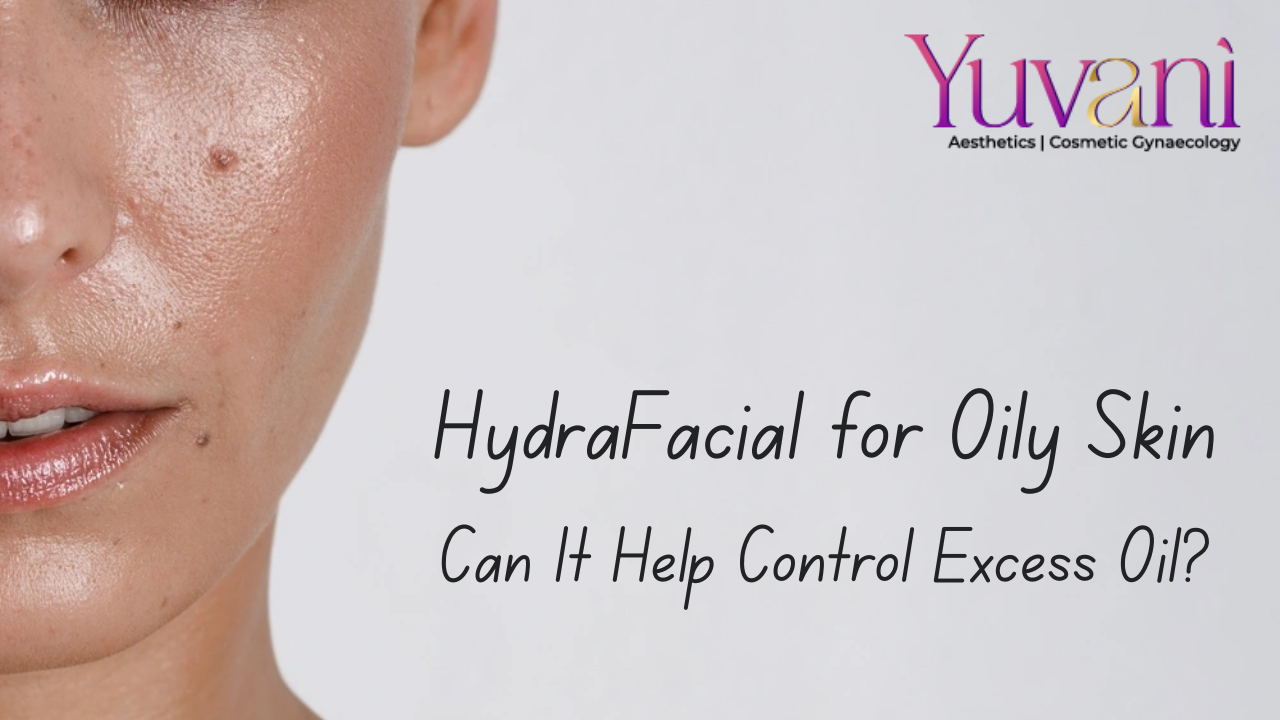
Oily skin can be frustrating to manage. Even after washing your face, your skin may start looking shiny within a few hours. Excess oil can also contribute to clogged pores, blackheads, breakouts, and an uneven-looking skin texture.
While using the right skincare products is important, some people also look for professional treatments that can deeply cleanse the skin without leaving it feeling excessively dry or stripped.
One treatment that has become popular for this purpose is HydraFacial. It combines cleansing, exfoliation, extraction, and hydration in a single treatment and can be customised according to different skin types and concerns.
But can a HydraFacial actually control excess oil?
The short answer is: it may help manage the appearance and effects of excess oil, but it does not permanently stop your skin from producing oil.
If you are considering HydraFacial in Navi Mumbai, understanding what the treatment can realistically do—and what it cannot—is important before getting started.
Why Does Oily Skin Produce Excess Sebum?
Sebum is an oily substance produced by the sebaceous glands in your skin. It plays an important role in keeping the skin moisturised and supporting the skin barrier.
The problem occurs when your sebaceous glands produce more sebum than your skin needs.
Several factors can contribute to increased oil production, including:
- Genetics
- Hormonal changes
- Stress
- Certain medications
- Humidity and hot weather
- An unsuitable skincare routine
- Over-cleansing or excessive exfoliation
In humid environments, oily skin can often feel even more uncomfortable because sweat and sebum remain on the skin's surface.
Importantly, oily skin does not necessarily mean hydrated skin. A person can have oily and dehydrated skin at the same time.
How Does Excess Oil Affect the Skin?
Excess sebum itself isn't necessarily harmful. However, when it combines with dead skin cells, makeup, sunscreen, dirt, and other impurities, pores can become congested.
This may contribute to:
Clogged pores
A mixture of sebum and dead skin cells can accumulate inside pores, making them appear more prominent.
Blackheads and whiteheads
When pores become blocked, they can develop into comedones such as blackheads and whiteheads.
Acne breakouts
For some people, excess oil can contribute to an environment where acne develops more easily.
Shiny appearance
Sebum on the skin's surface can create persistent facial shine, particularly around the forehead, nose, and chin.
Uneven texture
Repeated congestion can make the skin feel rough or appear less smooth.
This is where professional deep-cleansing treatments may have a role.
What Is a HydraFacial?
A HydraFacial is a non-invasive skin treatment that combines several steps designed to cleanse and rejuvenate the skin.
Depending on the treatment plan, the process generally includes:
- Cleansing
- Exfoliation
- Extraction
- Hydration
- Application of targeted serums or skincare ingredients
Unlike aggressive scrubbing or harsh extraction, the treatment uses specialised equipment to cleanse and exfoliate the skin while simultaneously supporting hydration.
The treatment can be adjusted according to individual skin concerns, which is one reason it may be suitable for people with oily or combination skin.
Can HydraFacial Help Control Excess Oil?
This is one of the most common questions people with oily skin have.
HydraFacial does not permanently reduce sebum production. Your sebaceous glands will continue to produce oil after the treatment.
However, it may help manage some of the factors that make oily skin look and feel congested.
For example, professional cleansing and exfoliation can help remove accumulated oil, dead skin cells, and impurities from the skin's surface and pores.
As a result, your skin may temporarily appear:
- Cleaner
- Less congested
- Smoother
- Fresher
- More balanced
- Less visibly oily
The effect varies from person to person and depends on the cause and severity of oiliness.
1. Deep Cleansing Can Remove Excess Surface Oil
One of the primary benefits of HydraFacial for oily skin is thorough cleansing.
Daily cleansing removes surface impurities, but some oil and debris can remain trapped within congested areas.
A professional HydraFacial can provide a deeper cleansing experience, helping remove excess sebum and impurities without relying on harsh scrubbing.
This can leave oily skin feeling cleaner without the tight, uncomfortable sensation that sometimes follows overly aggressive cleansing.
2. Exfoliation Helps Remove Dead Skin Cells
Dead skin cells naturally accumulate on the surface of the skin.
When they mix with excess sebum, they can contribute to clogged pores and uneven texture.
HydraFacial includes exfoliation to help remove some of this surface buildup.
Regular, appropriately performed exfoliation can make the skin feel smoother and may help reduce the appearance of congestion.
However, more exfoliation isn't always better. Over-exfoliating oily skin can irritate the skin barrier and potentially make your skincare routine more difficult to manage.
3. Extraction Helps With Congested Pores
People with oily skin frequently struggle with blackheads and clogged pores, particularly around the nose, forehead, and chin.
HydraFacial includes a gentle extraction component designed to help clear pore congestion.
This can be particularly useful for people who frequently feel that their pores look blocked or their skin feels rough despite following a regular skincare routine.
It is generally preferable to professional extraction rather than repeatedly squeezing blackheads at home, which can cause irritation or skin damage.
4. Hydration Matters Even If Your Skin Is Oily
It may seem counterintuitive to hydrate oily skin, but hydration is still essential.
A common mistake is trying to eliminate oil by using extremely drying cleansers, alcohol-heavy products, or frequent scrubbing.
These approaches may leave the skin irritated or dehydrated.
HydraFacial combines cleansing and exfoliation with hydration, which can help maintain a more comfortable skin feel after treatment.
The goal should not be to remove every trace of oil.
Healthy skin needs some natural lipids to support its protective barrier.
5. It Can Improve the Appearance of Enlarged Pores
Pore size is influenced by genetics, skin structure, oil production, and other factors.
A HydraFacial cannot permanently shrink pores.
However, when pores contain excess oil and debris, they can appear more noticeable.
By cleansing and removing some congestion, HydraFacial may make pores appear cleaner and less prominent.
This distinction is important. The treatment improves the appearance of congestion but does not physically erase or permanently close pores.
6. It May Help Oily, Congested Skin Look Fresher
Oily skin can sometimes appear dull despite having excess shine.
This happens because oil, dead skin cells, environmental impurities, and uneven texture can affect the way light reflects from the skin.
By combining exfoliation and hydration, HydraFacial can give the skin a smoother and fresher appearance.
This is one reason many people choose the treatment before events, celebrations, or occasions when they want their skin to look more refreshed.
HydraFacial for Oily Skin vs Traditional Facial
Traditional facials can be useful for relaxation and basic cleansing, but HydraFacial uses specialised technology to combine multiple treatment steps.
| Feature | Traditional Facial | HydraFacial |
|---|---|---|
| Cleansing | Yes | Yes |
| Exfoliation | May vary | Yes |
| Extraction | Often included | Yes |
| Hydration | Usually included | Yes |
| Customisation | Depends on treatment | Can be customised |
| Suitable for oily skin | Depends on products | Often suitable when appropriately customised |
| Downtime | Usually minimal | Usually minimal |
The quality of a treatment depends not only on the technology but also on how appropriately it is selected and performed for your skin.
Is HydraFacial Good for Acne-Prone Oily Skin?
It can be helpful for some people with oily and mildly congested skin, particularly when clogged pores and excess surface oil are concerns.
However, HydraFacial should not be considered a universal acne treatment.
If you have inflammatory, severe, cystic, or persistent acne, you may require a dedicated acne treatment plan.
A dermatologist or qualified skin professional can determine whether HydraFacial is appropriate or whether other treatments and medications would be more suitable.
Can HydraFacial Stop Oily Skin Permanently?
No.
This is an important expectation to have.
HydraFacial can cleanse, exfoliate, extract, and hydrate the skin, but it does not permanently switch off the sebaceous glands.
If your oily skin is related to genetics or hormonal factors, oil production will continue.
The purpose of professional treatment is to help manage congestion and improve the skin's appearance and texture—not permanently eliminate natural sebum production.
How Often Should You Get a HydraFacial for Oily Skin?
There is no universal schedule that works for everyone.
Some people may benefit from occasional treatments, while others may choose a more regular treatment plan based on their skin concerns.
The ideal frequency depends on:
- Skin type
- Degree of oiliness
- Pore congestion
- Acne tendency
- Sensitivity
- Existing skincare routine
- Other treatments you may be receiving
Your provider can recommend a schedule based on your skin rather than simply following a fixed routine.
What Should You Do After a HydraFacial?
HydraFacial usually involves little to no significant downtime, but gentle skincare is still important afterward.
For the first day or so, consider:
- Avoiding harsh exfoliating products
- Avoiding unnecessary scrubbing
- Using a gentle cleanser
- Keeping the skin adequately moisturised
- Applying broad-spectrum sunscreen
- Avoiding picking or squeezing the skin
If your provider has given you specific aftercare instructions, follow those recommendations.
Can You Maintain the Results at Home?
Yes. Professional treatments work best when combined with an appropriate daily skincare routine.
For oily skin, your routine may include:
Gentle cleanser
Use a cleanser that removes excess oil and impurities without leaving your skin excessively dry.
Lightweight moisturiser
Oily skin still needs hydration. Look for a lightweight, non-comedogenic moisturiser if appropriate for your skin.
Sunscreen
Daily sunscreen is essential regardless of whether your skin is oily, dry, or combination.
Targeted ingredients
Depending on your skin and concerns, ingredients such as salicylic acid or niacinamide may be recommended by a skincare professional.
Avoid adding multiple active ingredients at once, particularly if you have sensitive skin.
Who May Benefit From HydraFacial for Oily Skin?
HydraFacial may be worth considering if you experience:
- Excess surface oil
- Mildly congested pores
- Blackheads
- Dull-looking skin
- Rough skin texture
- Combination skin
- Dehydrated but oily skin
- Buildup from sunscreen or makeup
However, professional assessment is especially important if you have active inflammatory acne, rosacea, very sensitive skin, or another diagnosed skin condition.
When Should You Avoid or Postpone HydraFacial?
A HydraFacial may not be appropriate at certain times.
Treatment may need to be postponed if you have:
- Active skin infections
- Significant irritation
- Open wounds
- Severe sunburn
- Certain active inflammatory skin conditions
If you are using prescription medications or undergoing other cosmetic treatments, inform your provider before your HydraFacial.
Your skin should be assessed before treatment so the procedure can be appropriately customised.
Why Professional Customisation Matters
Not all oily skin is the same.
One person may have oily skin with blackheads and congestion, while another may have oily but dehydrated and sensitive skin.
Using an overly aggressive treatment on the second type of skin could result in unnecessary irritation.
A professional approach considers the condition of your skin before choosing the appropriate level of cleansing, exfoliation, extraction, and hydration.
This is particularly important when HydraFacial is being combined with other aesthetic treatments.
Final Thoughts
HydraFacial can be a useful professional treatment for people who want to manage the effects of oily, congested skin. Its combination of cleansing, exfoliation, extraction, and hydration can help remove surface buildup, improve the appearance of clogged pores, and leave the skin looking smoother and fresher.
However, it is important to understand that HydraFacial does not permanently stop excess oil production. For long-term management of oily or acne-prone skin, professional treatments should be combined with an appropriate home skincare routine and, when necessary, medical treatment.
If you are considering HydraFacial in Navi Mumbai, a personalised skin assessment can help determine whether the treatment is suitable for your skin type and concerns. The right treatment plan should focus on keeping your skin clean, hydrated, balanced, and healthy-looking—not simply removing every trace of natural oil.
For expert advice and personalized skincare treatments, contact us:
Yuvani Skin Aesthetics & Aesthetic Gynaecology Clinic
Address: First Floor, Shop No. 74-77, Chaturbhuj HSG, Plot No. 61, Sector - 21, Kharghar, Navi Mumbai - 410210
Phone: +91 7977585840 / 022-31859328

 Call Us
 WhatsApp