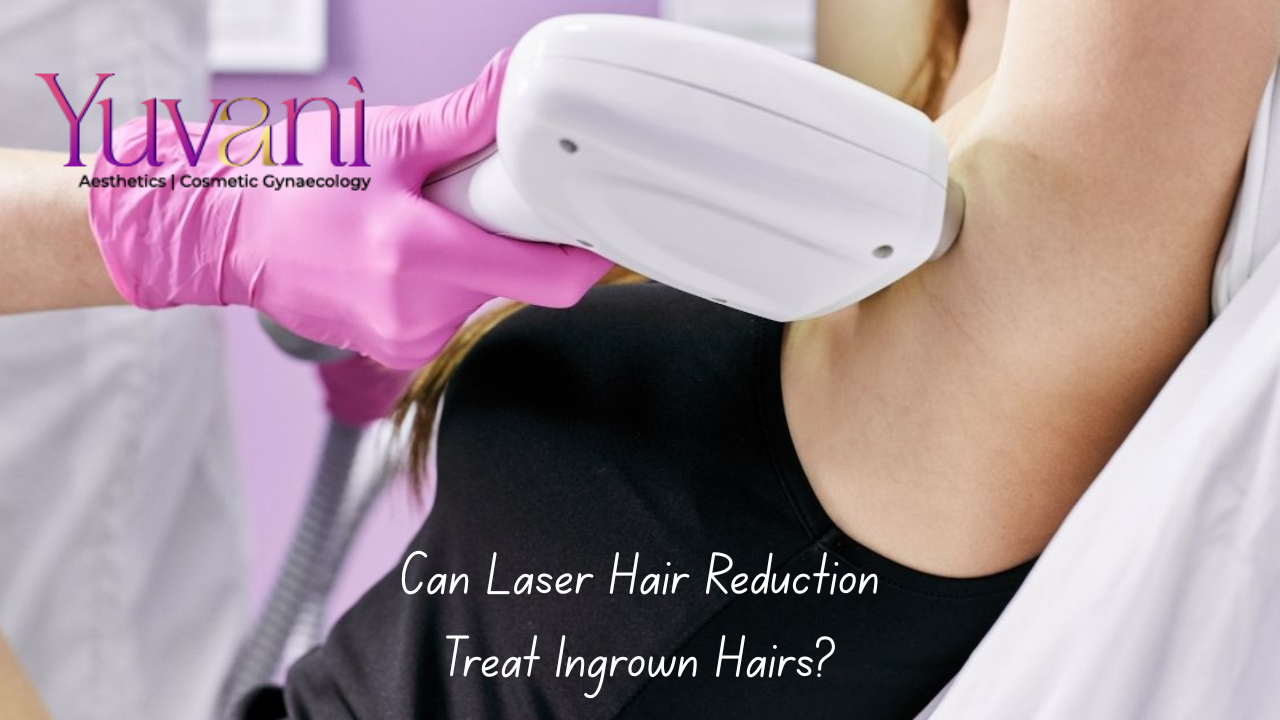
Can Laser Hair Reduction Help with Ingrown Hairs?
Ingrown hairs are a common skin concern, especially among people who regularly shave, wax, tweeze, or use other temporary hair-removal methods. They occur when a hair grows back into the skin instead of emerging normally from the hair follicle. This can lead to small bumps, redness, itching, irritation, pigmentation, and sometimes painful inflammation.
For people who experience recurring ingrown hairs, simply changing shaving techniques may not always provide a long-term solution. This is where laser hair reduction can be particularly helpful.
Laser hair reduction works by targeting the hair follicle and reducing future hair growth. Because there is less hair available to curl back into the skin, regular laser treatments can significantly reduce the frequency of ingrown hairs over time.
If you are considering Laser Hair Reduction in Navi Mumbai, understanding how the treatment works and what results you can expect can help you decide whether it is suitable for your skin and hair type.
What Causes Ingrown Hairs?
An ingrown hair develops when a hair that has been removed grows back and curves into the surrounding skin instead of growing outward.
Several hair-removal methods can increase the risk, including:
- Shaving too closely
- Waxing
- Tweezing
- Repeated plucking
- Pulling or stretching the skin while shaving
People with naturally coarse or curly hair may be particularly prone to ingrown hairs because the hair can curve back toward the skin as it grows.
Common areas include:
- Face
- Neck
- Underarms
- Legs
- Bikini area
- Pubic region
- Chest
- Back
What Do Ingrown Hairs Look Like?
Ingrown hairs can appear as small, raised bumps around individual hair follicles.
You may notice:
- Red or pink bumps
- Itching
- Burning or stinging
- Tenderness
- Pus-filled bumps
- Dark spots after healing
- Hair trapped underneath the skin
Repeated inflammation can sometimes result in post-inflammatory pigmentation or scarring.
Why Shaving Can Make Ingrown Hairs Worse
Shaving cuts the hair close to the surface of the skin. When the hair begins growing again, its sharper tip may curve and penetrate the surrounding skin.
The problem can become worse if you:
- Shave against the direction of hair growth
- Stretch the skin while shaving
- Use a blunt razor
- Shave very frequently
- Apply excessive pressure
Although careful shaving can reduce the risk, it does not eliminate the underlying problem of repeated hair regrowth.
How Does Laser Hair Reduction Work?
Laser hair reduction uses concentrated light energy to target the pigment within the hair.
The energy is converted into heat, which damages the hair follicle and reduces its ability to produce hair.
Over a series of treatments:
- Hair growth becomes slower
- Hair becomes finer
- Hair density decreases
- Regrowth becomes less noticeable
Because laser targets the follicle rather than simply cutting or pulling the hair, it can address one of the underlying reasons recurring ingrown hairs develop.
Can Laser Hair Reduction Treat Ingrown Hairs?
Yes, laser hair reduction can help reduce recurring ingrown hairs.
It does not remove an already inflamed ingrown hair instantly. Instead, it works as a longer-term strategy by reducing hair growth and decreasing the number of follicles capable of producing hairs that may become trapped beneath the skin.
This can be especially beneficial for people whose ingrown hairs repeatedly occur after shaving or waxing.
As hair becomes finer and less dense, there is generally less opportunity for hair to curl back into the skin.
How Laser Helps Break the Ingrown Hair Cycle
The cycle often looks like this:
Shaving or waxing → hair regrows → hair curls into skin → inflammation → bump or pigmentation → hair removal again → repeat
Laser hair reduction can interrupt this cycle by reducing future hair growth.
Instead of repeatedly removing the visible hair from the surface, the treatment targets the follicle responsible for producing the hair.
Over multiple sessions, this can lead to fewer recurring ingrown hairs and less irritation.
Benefits of Laser Hair Reduction for Ingrown Hairs
1. Fewer Ingrown Hairs
Reducing hair density can significantly reduce the number of hairs that become trapped beneath the skin.
2. Less Razor Burn
People who experience irritation after shaving may notice improvement as they need to shave less frequently.
3. Reduced Skin Irritation
Less frequent shaving and waxing means less repeated friction and trauma to the skin.
4. Smoother Skin
As hair becomes finer and less dense, the skin may feel smoother and appear more even.
5. Reduced Pigmentation from Repeated Irritation
Recurring inflammation can leave dark marks. By reducing the trigger for repeated ingrown hairs, laser treatment may help prevent new post-inflammatory pigmentation.
Existing pigmentation, however, may require separate treatment.
6. Less Dependence on Waxing and Shaving
Over time, many patients can significantly reduce their reliance on traditional hair-removal methods.
Which Areas Can Be Treated?
Laser hair reduction can be performed on many areas where ingrown hairs commonly occur.
Face and Neck
Particularly useful for people experiencing recurring razor bumps or ingrown facial hair.
Underarms
Regular shaving can cause irritation and ingrown hairs in this sensitive area.
Legs
Frequent shaving or waxing may lead to recurring bumps and trapped hairs.
Bikini Area
This is one of the most commonly requested areas because shaving and waxing can frequently cause irritation and ingrown hairs.
Chest and Back
Laser treatment may also be useful for individuals experiencing recurrent ingrown hairs in these areas.
How Many Sessions Are Needed?
Laser hair reduction requires multiple sessions because hair grows through different stages.
The laser is most effective when the hair is in its active growth phase. Since all hairs are not growing at the same time, several sessions are needed to target different groups of follicles.
Many people require around 4 to 8 sessions, although the exact number varies according to:
- Hair thickness
- Hair colour
- Skin type
- Treatment area
- Hormonal factors
- Individual response to treatment
Some people may require maintenance sessions after completing their initial treatment course.
What Happens to Ingrown Hairs After Starting Treatment?
Laser treatment does not immediately remove every existing ingrown hair.
Initially, your specialist may recommend treating active inflammation separately before or alongside laser treatment.
As the treatment course progresses, you may notice:
- Less frequent ingrown hairs
- Finer hair regrowth
- Slower hair growth
- Fewer shaving-related bumps
- Reduced irritation
Treated hairs generally shed gradually rather than disappearing immediately.
Is Laser Hair Reduction Better Than Waxing for Ingrown Hairs?
For people who are prone to ingrown hairs, laser hair reduction can offer a significant advantage over repeated waxing.
Waxing
Waxing removes hair from the root, but the follicle remains capable of producing new hair.
The hair eventually grows back, meaning the cycle continues.
Laser Hair Reduction
Laser targets the follicle and reduces its ability to produce hair.
This makes laser a longer-term approach for people who experience recurring ingrown hairs.
However, laser is not necessarily suitable for everyone, and the most appropriate treatment depends on individual skin and hair characteristics.
Can Laser Hair Reduction Treat Existing Ingrown Hairs?
Laser treatment is primarily used to reduce future hair growth rather than directly removing an already inflamed ingrown hair.
If you currently have painful, swollen, or infected bumps, your dermatologist may first recommend appropriate treatment for the inflammation.
Once the skin is suitable for laser treatment, reducing future hair growth can help prevent the problem from repeatedly returning.
Do not squeeze or pick at ingrown hairs, as this can increase inflammation, pigmentation, infection, and scarring.
What About Ingrown Hairs That Leave Dark Marks?
Repeated ingrown hairs can cause post-inflammatory hyperpigmentation, particularly in individuals whose skin is prone to pigmentation.
Laser hair reduction may help prevent new marks by reducing recurring inflammation, but it does not necessarily remove existing pigmentation.
Depending on the cause and severity of the discoloration, your dermatologist may recommend additional treatments such as:
- Chemical peels
- Pigmentation-specific skincare
- Certain laser treatments
- Other dermatologist-guided procedures
A proper skin assessment is important before beginning pigmentation treatment.
Is Laser Hair Reduction Safe for Indian Skin?
Laser hair reduction can be performed safely on Indian and darker skin types when the appropriate laser technology and treatment settings are selected.
Because laser energy interacts with melanin, skin colour must be carefully considered when selecting the device and parameters.
This makes choosing an experienced professional particularly important.
A qualified practitioner should assess:
- Skin tone
- Hair colour
- Hair thickness
- Treatment area
- History of pigmentation
- Previous reactions to laser treatments
The right approach can help minimize the risk of burns and unwanted changes in skin colour.
Does Laser Hair Reduction Hurt?
The sensation varies depending on the treatment area and individual sensitivity.
Patients commonly describe the treatment as:
- Mild snapping
- Warmth
- Tingling
- Brief pinching
Modern laser systems often include cooling mechanisms to make the procedure more comfortable.
The sensation is usually brief, and treatment time depends on the size of the area being treated.
What Should You Do Before Treatment?
Before your appointment, your specialist may recommend:
- Avoiding waxing and tweezing for several weeks.
- Shaving the treatment area as instructed.
- Avoiding tanning and excessive sun exposure.
- Informing the practitioner about medications or skin treatments.
- Avoiding treatment over irritated or infected skin.
Following preparation instructions helps improve treatment safety and effectiveness.
What Should You Do After Laser Treatment?
After treatment:
- Protect the treated area from excessive sun exposure.
- Use sunscreen on exposed skin.
- Avoid unnecessary heat or friction if advised.
- Follow your practitioner's skincare recommendations.
- Avoid waxing or plucking between sessions.
Your specialist may provide additional aftercare depending on your skin type and treatment area.
Who Is a Good Candidate?
Laser hair reduction may be suitable if you:
- Experience recurring ingrown hairs.
- Develop razor bumps after shaving.
- Have frequent irritation after waxing.
- Have coarse or thick hair.
- Want a longer-term alternative to traditional hair removal.
- Are willing to complete multiple treatment sessions.
A consultation is important because laser effectiveness depends significantly on the contrast between hair pigment and skin pigment.
When Should You See a Dermatologist?
Occasional ingrown hairs are usually manageable, but frequent or severe cases should be professionally assessed.
Consult a dermatologist if you experience:
- Persistent painful bumps
- Pus or signs of infection
- Significant swelling
- Repeated pigmentation
- Scarring
- Ingrown hairs that keep returning
- Severe irritation after hair removal
Sometimes what appears to be an ingrown hair may actually be folliculitis or another skin condition requiring different treatment.
Choosing the Right Clinic for Laser Hair Reduction
The quality and safety of laser treatment depend heavily on proper assessment and technique.
When choosing a clinic, consider:
- Experience with your skin tone
- Appropriate laser technology
- Professional skin assessment
- Customized treatment settings
- Proper hygiene and safety protocols
- Clear aftercare instructions
If you're considering Laser Hair Reduction in Navi Mumbai, choosing an experienced aesthetic or dermatology clinic can help you achieve better results while minimizing the risk of unwanted skin reactions.
How to Maintain Results
Once you complete your recommended treatment sessions, maintenance may be required depending on your individual hair growth.
To support your results:
- Avoid waxing or plucking unless specifically advised.
- Follow the recommended treatment schedule.
- Protect your skin from excessive sun exposure.
- Maintain a gentle skincare routine.
- Address hormonal conditions that contribute to excessive hair growth.
For women with PCOS or other hormonal conditions, controlling the underlying hormonal imbalance can be important because new hair growth may continue even after successful laser treatment.
Conclusion
Recurring ingrown hairs can be frustrating, uncomfortable, and sometimes leave behind dark marks or scars. Although shaving and waxing provide temporary hair removal, they can also contribute to the repeated cycle of hair regrowth and skin irritation.
Laser hair reduction offers a longer-term approach by targeting the hair follicle and reducing future hair growth. With multiple treatments, hair typically becomes finer and less dense, which can significantly reduce the frequency of ingrown hairs and the irritation associated with traditional hair-removal methods.
Tired of recurring ingrown hairs and constant shaving or waxing? Book a consultation for Laser Hair Reduction in Navi Mumbai today and discover a personalized treatment plan designed to reduce unwanted hair, prevent recurring ingrown hairs, and leave your skin smoother and healthier-looking.
For expert advice and personalized skincare treatments, contact us:
Yuvani Skin Aesthetics & Aesthetic Gynaecology Clinic
Address: First Floor, Shop No. 74-77, Chaturbhuj HSG, Plot No. 61, Sector - 21, Kharghar, Navi Mumbai - 410210
Phone: +91 7977585840 / 022-31859328

 Call Us
 WhatsApp