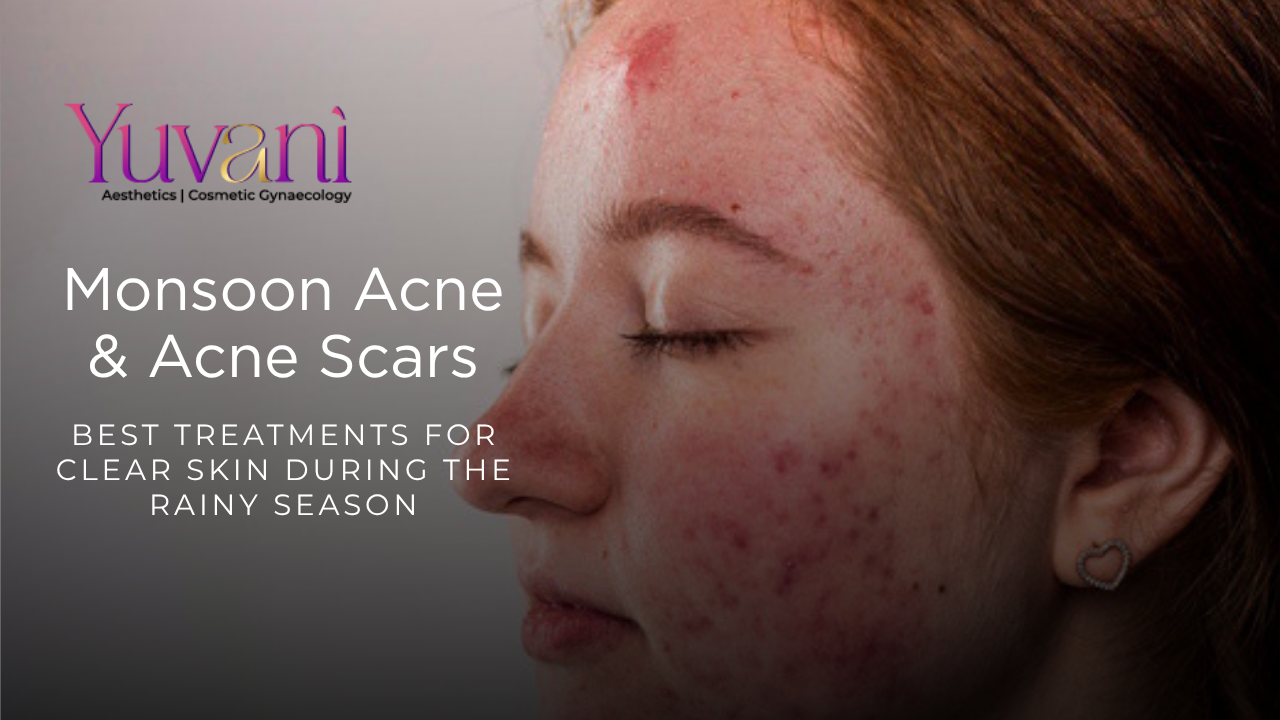
The arrival of the monsoon brings cooler temperatures and relief from the summer heat, but it can also create new challenges for your skin. Increased humidity, sweat, excess oil production, and environmental pollutants make the rainy season one of the most common times for acne breakouts. For many people, these breakouts can also leave behind stubborn acne scars that affect skin texture and confidence long after the pimples have healed.
Fortunately, advances in dermatology and aesthetic medicine offer highly effective treatments for both active acne and acne scars. With the right skincare routine and professional guidance, you can enjoy healthier, clearer skin throughout the monsoon season.
If you are looking for treatment for acne scar Navi Mumbai, understanding the causes of monsoon acne and the available treatment options can help you choose the most suitable solution for your skin.
Why Does Acne Increase During the Monsoon?
Humidity levels rise significantly during the rainy season. While moisture in the air may seem beneficial for the skin, it often leads to increased oil production and clogged pores.
Several factors contribute to monsoon acne:
- Excess sebum production
- Sweat accumulation
- Dirt and pollution sticking to the skin
- Increased bacterial growth
- Clogged pores
- Inadequate cleansing
- Wearing wet masks or helmets for prolonged periods
These factors create an ideal environment for acne-causing bacteria, leading to frequent breakouts.
Common Types of Monsoon Acne
Acne can appear in different forms depending on the severity of inflammation.
Whiteheads and Blackheads
These are clogged pores caused by excess oil and dead skin cells.
Papules
Small, red, inflamed bumps that can be tender to touch.
Pustules
Pimples filled with pus, commonly seen in inflammatory acne.
Nodules
Large, painful bumps located deep beneath the skin.
Cystic Acne
The most severe form of acne that often results in permanent scarring if left untreated.
Why Acne Scars Develop
Acne scars form when deeper layers of the skin are damaged during the healing process.
Inflammation can destroy collagen, and as the skin repairs itself, it may produce too little or too much collagen, resulting in visible scars.
The risk of scarring increases when:
- Acne is severe
- Pimples are picked or squeezed
- Treatment is delayed
- Breakouts occur repeatedly
Early treatment is one of the best ways to minimize permanent scarring.
Types of Acne Scars
Understanding the type of scar helps determine the most effective treatment.
Ice Pick Scars
Deep, narrow scars extending into the skin.
Boxcar Scars
Broad, depressed scars with well-defined edges.
Rolling Scars
Wave-like depressions caused by fibrous bands beneath the skin.
Post-Inflammatory Hyperpigmentation
Dark marks left behind after acne heals. Although not true scars, they can persist for several months.
Monsoon Skincare Tips to Prevent Acne
Preventing acne is always easier than treating scars later.
- Cleanse Twice Daily: Use a gentle cleanser to remove excess oil, sweat, and impurities without over-drying the skin.
- Avoid Heavy Moisturizers: Choose lightweight, non-comedogenic moisturizers suitable for humid weather.
- Wear Sunscreen: Cloudy skies do not eliminate harmful UV rays. Use an oil-free sunscreen every day to protect your skin and prevent acne marks from becoming darker.
- Avoid Touching Your Face: Frequent touching transfers bacteria and dirt onto the skin.
- Keep Hair Clean: Oily hair can contribute to forehead acne by transferring excess oil to the skin.
- Stay Hydrated: Adequate hydration supports healthy skin and improves its natural barrier function.
- Eat a Balanced Diet: A diet rich in fruits, vegetables, whole grains, and lean proteins helps support overall skin health.
Professional Treatments for Active Acne
If home care isn't enough, professional treatments can help control breakouts and reduce inflammation.
Chemical Peels
Medical-grade chemical peels help:
- Exfoliate dead skin cells
- Unclog pores
- Reduce oil production
- Improve skin texture
- Fade acne marks
Superficial peels are often suitable for oily and acne-prone skin.
Acne Extraction
Safe extraction performed by trained professionals can remove stubborn blackheads and whiteheads while minimizing skin damage.
Blue Light Therapy
Light-based treatments target acne-causing bacteria and help reduce inflammation without damaging surrounding skin.
Prescription Medications
Depending on acne severity, your dermatologist may recommend:
- Topical retinoids
- Benzoyl peroxide
- Topical or oral antibiotics
- Hormonal therapy
- Oral isotretinoin (for severe acne)
Treatment plans are tailored to each patient's skin type and condition.
Best Treatments for Acne Scars
Modern dermatology offers several effective procedures for improving acne scars.
Microneedling
Microneedling creates tiny micro-injuries in the skin that stimulate collagen production.
Benefits include:
- Improved skin texture
- Reduction in mild to moderate scars
- Better skin firmness
- Minimal downtime
Microneedling with Radiofrequency (RF)
This advanced treatment combines collagen induction with radiofrequency energy.
It helps:
- Improve deeper acne scars
- Tighten skin
- Stimulate collagen remodeling
- Enhance overall skin quality
Fractional Laser Resurfacing
Fractional laser treatments stimulate collagen production while improving skin texture.
They are commonly recommended for:
- Boxcar scars
- Rolling scars
- Uneven skin texture
- Moderate acne scarring
Subcision
Subcision releases fibrous bands beneath rolling scars, allowing the skin surface to become smoother.
It is often combined with other treatments for enhanced results.
Chemical Reconstruction (TCA CROSS)
This specialized technique is particularly effective for deep ice pick scars.
It encourages collagen formation and gradual scar improvement.
Dermal Fillers
For certain depressed scars, dermal fillers can restore lost volume and improve skin smoothness.
Results are often immediate and can be combined with collagen-stimulating procedures.
Combination Treatments Often Deliver the Best Results
Since acne scars vary in type and severity, combining treatments often produces superior outcomes.
Your dermatologist may recommend:
- Microneedling + PRP
- RF Microneedling + Chemical Peel
- Laser Resurfacing + Subcision
- Chemical Peel + Medical Skincare
- Laser + Dermal Fillers
A personalized treatment plan addresses multiple concerns simultaneously.
Why Monsoon Is a Good Time for Acne Scar Treatments
Many people postpone aesthetic procedures until winter, but the rainy season can also be an excellent time to begin treatment.
- Reduced Sun Exposure: Less intense sunlight helps lower the risk of post-treatment pigmentation.
- Better Treatment Planning: Starting treatments during monsoon allows enough time for collagen remodeling before festive events and weddings.
- Easier Recovery: Cooler weather often makes post-procedure recovery more comfortable.
- Gradual Improvement: Many collagen-stimulating treatments continue improving the skin over several months, making early treatment beneficial.
How Many Sessions Will You Need?
The number of sessions depends on:
- Scar type
- Scar severity
- Skin type
- Treatment selected
- Individual healing response
Most patients require multiple sessions spaced several weeks apart for optimal improvement.
Your dermatologist will develop a customized treatment schedule.
Choosing the Right Specialist
Successful acne scar treatment depends on proper diagnosis and selecting the most appropriate procedure.
Look for a clinic that offers:
- Comprehensive skin assessment
- Advanced laser technologies
- Experienced dermatologists or aesthetic physicians
- Personalized treatment plans
- Modern collagen-stimulating procedures
If you are considering treatment for acne scar Navi Mumbai, choosing an experienced skin specialist can help maximize results while ensuring safety.
Maintaining Results After Treatment
To maintain healthy skin after treatment:
- Follow your dermatologist's skincare routine.
- Wear sunscreen daily.
- Avoid picking pimples.
- Stay hydrated.
- Use non-comedogenic skincare products.
- Schedule maintenance treatments if advised.
- Seek early treatment for new acne breakouts.
Consistent skincare helps preserve treatment results and reduces the likelihood of future scarring.
Conclusion
The monsoon season may bring an increase in acne breakouts, but it also presents an excellent opportunity to begin professional treatment before scars become more severe. With advances in dermatology, there are now effective solutions for both active acne and long-standing acne scars.
Whether you need chemical peels, microneedling, laser resurfacing, or a combination of treatments, early intervention can significantly improve your skin's texture and appearance.
If you are looking for treatment for acne scar Navi Mumbai, consult an experienced dermatologist to receive a personalized treatment plan tailored to your skin type and scar pattern. With expert care and a consistent skincare routine, you can achieve clearer, smoother, and healthier skin throughout the rainy season and beyond.

 Call Us
 WhatsApp