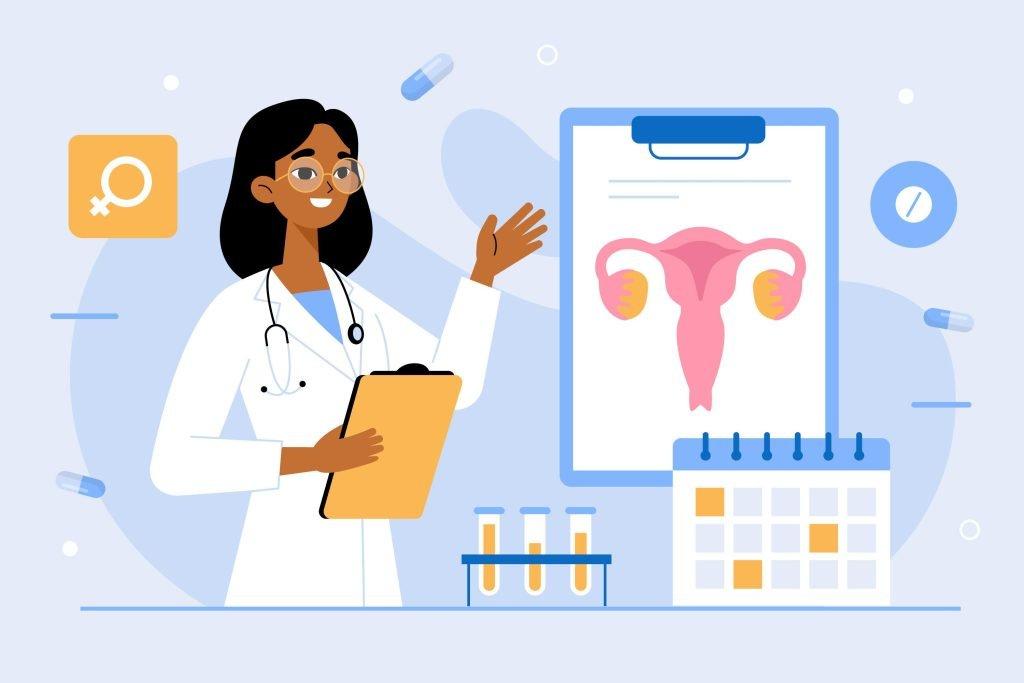
Polycystic Ovary Syndrome (PCOS) is no longer a rare condition. It’s a cluster of related health issues affecting a significant number of women, with its presence felt in almost every household today. From the onset of adulthood, throughout their reproductive years, and even into pre-menopause, women are increasingly facing the challenges of PCOS.
Many understand that PCOS is identified through ultrasound findings, revealing polycystic ovaries. However, it’s crucial to remember that this is just one piece of the puzzle. A diagnosis also hinges on the presence of two or more of the following symptoms: irregular menstrual cycles, acne, hirsutism (excess hair growth), weight gain, and infertility.
Beyond these visible symptoms, PCOS often triggers significant biochemical changes. The alarming rise in fasting blood sugar and insulin levels, sometimes as early as 20 years old, points towards the development of metabolic syndrome. This condition further disrupts gut health, leading to various digestive problems and increasing the risk of serious cardiovascular issues like hypertension, stroke, and dyslipidemia.
The early manifestation of PCOS underscores the importance of proactive care. The journey to managing PCOS begins with increased awareness and prevention, followed by timely and appropriate treatment. Once women are well-informed, seeking professional medical advice becomes essential for personalized preventive measures and treatment plans.
It’s vital to understand that PCOS is a continuous process. Ignoring its effects can lead to long-term consequences, even extending into the pre-menopausal phase. Therefore, empowering women with the right information is the first step towards taking control of their health.
Key Takeaways:
- Early Detection is Crucial: Recognizing the symptoms and seeking timely medical advice can significantly impact long-term health.
- Lifestyle Changes Matter: Addressing metabolic syndrome through diet, exercise, and stress management is vital.
- PCOS is a Continuum: Understanding that PCOS can have lasting effects is crucial for proactive management.
- Professional Guidance is Essential: Consulting a healthcare professional for diagnosis and personalized treatment is necessary.
- Awareness is Empowerment: Educating oneself and others about PCOS is key to breaking the cycle.
By fostering awareness and promoting proactive healthcare, we can empower women to navigate the complexities of PCOS and lead healthier lives.

 Call Us
 WhatsApp