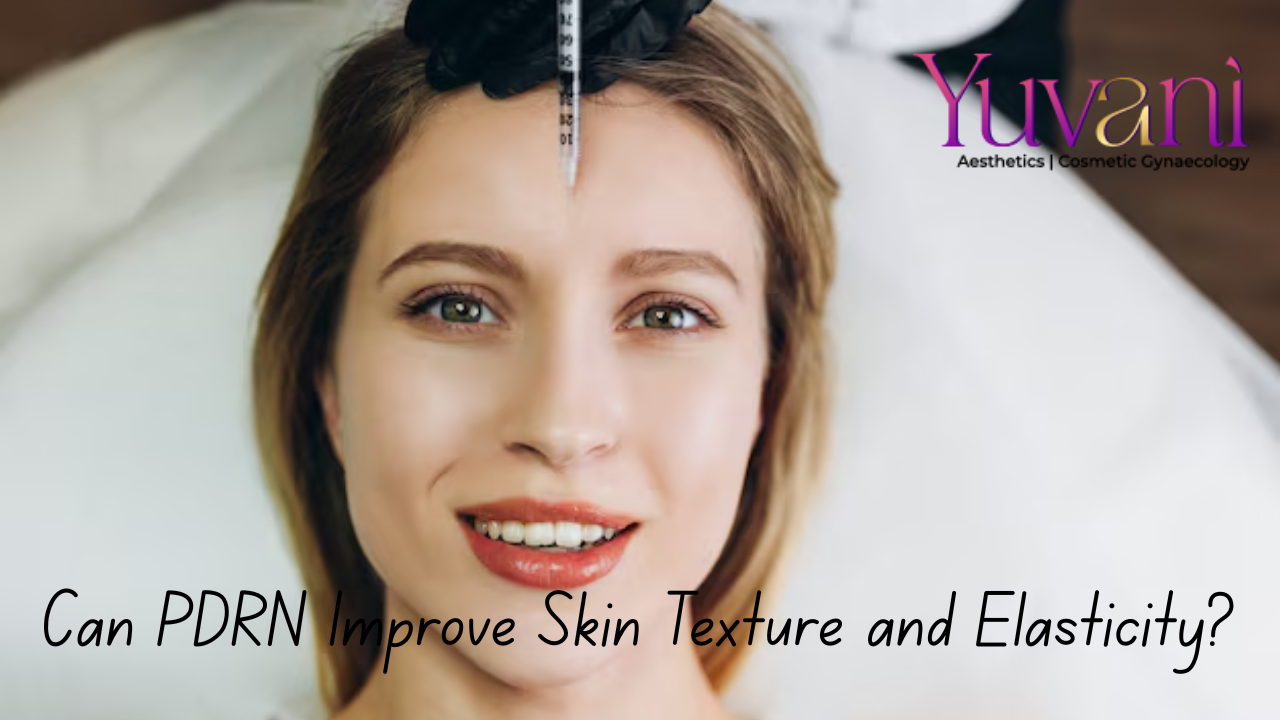
Skin texture and elasticity play an important role in how healthy, smooth, and youthful your skin looks. Over time, you may notice that your skin feels less firm, fine lines become more visible, or your complexion starts looking dull and uneven. Sun exposure, environmental pollution, dehydration, lifestyle habits, and natural ageing can all contribute to these changes.
While a good skincare routine helps maintain skin health, some concerns may require professional aesthetic treatments. One option gaining attention in skin rejuvenation is PDRN treatment.
PDRN is being explored for its potential role in tissue repair and skin-quality improvement. It is often discussed in connection with smoother-looking skin, improved elasticity, and a healthier complexion.
But can PDRN actually improve skin texture and elasticity? How does it work, and who may benefit from it?
If you are considering PDRN Treatment in Navi Mumbai, this guide explains its potential benefits, treatment process, safety considerations, and what results you can realistically expect.
What Is PDRN Treatment?
PDRN stands for polydeoxyribonucleotide. It refers to a preparation containing DNA fragments that have been studied for their potential role in tissue repair and biological signalling.
In aesthetic medicine, certain PDRN-based formulations are used with the aim of supporting skin quality and recovery. Depending on the product, they may be administered through injections or other product-specific methods.
PDRN is not a traditional dermal filler. Its primary purpose is not to add facial volume or change facial contours. Instead, it is generally discussed as a treatment intended to support selected aspects of skin quality.
PDRN products may be considered for concerns such as:
- Uneven skin texture
- Dull or tired-looking skin
- Early signs of skin ageing
- Reduced skin elasticity
- Fine surface lines
- Certain skin-recovery concerns
However, not every PDRN product has the same composition, evidence, or intended application. The benefits depend on the actual formulation and the treatment protocol.
How Does PDRN Work for Skin Rejuvenation?
PDRN has been investigated for its potential involvement in biological processes associated with tissue repair.
Some research suggests that certain PDRN preparations may influence cellular signalling pathways involved in tissue recovery and inflammation. These findings have generated interest in its potential applications in aesthetic skin treatments.
Here is how PDRN may support skin-quality goals.
1. Supports Tissue Repair Processes
Healthy skin continuously undergoes natural repair and renewal. These processes can become less efficient with age, environmental damage, and certain skin conditions.
PDRN has been studied for its potential role in supporting tissue-repair mechanisms. In selected clinical applications, this may be relevant to skin recovery.
However, evidence from medical wound-healing research should not automatically be interpreted as proof of cosmetic skin rejuvenation.
2. May Influence Collagen-Related Processes
Collagen is an important structural protein that helps maintain skin firmness and elasticity.
As we age, collagen production and organisation gradually change. Sun exposure and environmental stress can contribute to the breakdown of existing collagen.
PDRN is being investigated for its potential influence on biological pathways associated with tissue repair and skin structure. However, the extent to which a particular cosmetic formulation improves collagen production in people depends on the available clinical evidence.
It should not be considered a guaranteed collagen-building treatment.
3. May Support Skin Quality
PDRN treatments are sometimes used with the aim of improving the overall appearance of the skin.
Depending on the formulation and individual response, potential treatment goals may include improving the appearance of dullness, uneven texture, and early signs of ageing.
Results are generally expected to be gradual rather than an immediate transformation.
Can PDRN Improve Skin Texture?
Uneven skin texture can make the complexion appear rough, tired, or less smooth. It may develop due to several factors, including dehydration, accumulated dead skin cells, sun damage, acne scarring, and changes associated with ageing.
PDRN treatment may be discussed for selected skin-quality concerns, but its effectiveness depends on the formulation and the condition being treated.
1. Smoother-Looking Skin
PDRN-based treatments are marketed in some aesthetic settings for improving skin quality.
For individuals concerned about mild unevenness or rough-looking skin, the treatment may be considered as part of a personalised rejuvenation plan.
However, deeper acne scars and significant textural irregularities usually require more targeted procedures, such as microneedling, subcision, or selected laser treatments.
2. Improved Appearance of Dull Skin
Dullness can be associated with dehydration, sun exposure, lifestyle factors, and the accumulation of dead skin cells.
Some people explore PDRN treatment as an option for improving overall skin appearance. However, a consistent skincare routine, appropriate exfoliation, and sun protection remain important.
3. Support for Skin Recovery
PDRN has been studied for its role in tissue-repair processes. This has led to interest in its use in selected aesthetic settings, including alongside certain skin procedures.
The results depend on the specific product and treatment method. It is important to distinguish between established medical applications and cosmetic claims that require further research.
Can PDRN Improve Skin Elasticity?
Skin elasticity refers to the ability of the skin to stretch and return towards its original shape.
When elasticity decreases, the skin may begin to look less firm. Fine lines, mild laxity, and changes in skin texture may also become more noticeable.
Several factors influence skin elasticity:
- Natural ageing
- Reduced collagen and elastin support
- Ultraviolet exposure
- Smoking
- Environmental pollution
- Significant weight changes
- Hormonal changes
PDRN is being investigated for its potential influence on biological processes associated with tissue repair and skin health.
Although these mechanisms are scientifically interesting, there is not enough consistent evidence to guarantee a meaningful improvement in skin elasticity from every PDRN cosmetic product.
For mild changes in skin quality, a practitioner may discuss PDRN alongside other options. More significant skin laxity may require treatments specifically designed for tightening or lifting.
What Skin Concerns May Be Addressed With PDRN?
Depending on the product and its intended use, PDRN treatment may be discussed for selected skin-quality concerns.
| Skin concern | Potential treatment goal |
|---|---|
| Dull-looking skin | Improve the appearance of overall skin quality |
| Uneven texture | Support smoother-looking skin |
| Early fine lines | Address selected skin-quality concerns |
| Reduced elasticity | Explore treatments aimed at supporting skin structure |
| Tired-looking skin | Improve the appearance of the complexion |
| Skin recovery concerns | Support selected tissue-repair applications |
It is important to remember that these are potential treatment goals, not guaranteed outcomes.
A professional skin assessment is necessary to determine whether PDRN is appropriate or whether another treatment would be more effective.
PDRN vs Polynucleotide Treatment: What Is the Difference?
PDRN and polynucleotide treatments are related because both involve DNA-derived materials. However, the terms are not necessarily interchangeable.
PDRN generally refers to preparations containing DNA fragments within a particular molecular-weight range. Polynucleotide products may contain chains of nucleotides with different molecular characteristics, depending on the formulation.
| Feature | PDRN Treatment | Polynucleotide Treatment |
|---|---|---|
| Composition | Polydeoxyribonucleotide DNA fragments | Polynucleotide chains |
| Main area of research | Tissue repair and cellular signalling | Skin quality and tissue-related processes |
| Aesthetic applications | Selected skin-quality and recovery concerns | Selected skin-rejuvenation concerns |
| Formulations | Vary by manufacturer | Vary by manufacturer |
| Evidence | Depends on product and intended use | Depends on product and intended use |
| Expected results | Variable | Variable |
The best choice depends on the actual formulation, the evidence supporting its use, and your skin concerns.
The treatment name alone does not establish which option is more effective.
PDRN vs Skin Boosters: Which Is Better?
Skin boosters are treatments designed to improve certain aspects of skin quality, often through hydration and surface smoothness.
Many traditional skin boosters contain hyaluronic acid, an ingredient known for its ability to attract and retain water.
PDRN-based products have a different composition and are discussed in relation to tissue-repair processes.
The main differences include:
- Composition: PDRN contains DNA-derived fragments, while many skin boosters contain hyaluronic acid.
- Treatment goals: Skin boosters often focus on hydration and smoothness, whereas PDRN products are marketed for skin quality and tissue-related processes.
- Mechanism: Their proposed biological effects are different.
- Evidence: The level of evidence depends on the specific product and intended use.
Neither option is universally better. A practitioner can help determine which approach is appropriate for your skin condition.
What Happens During a PDRN Treatment Session?
The treatment process depends on the product and how it is intended to be administered. For injectable PDRN treatments, a typical appointment may involve the following steps.
Step 1: Skin Consultation
The practitioner discusses your skin concerns, medical history, allergies, medications, and previous aesthetic procedures.
Step 2: Skin Assessment
Your skin is examined to determine whether PDRN is appropriate. Conditions such as active acne, infections, eczema, or significant inflammation may need to be addressed first.
Step 3: Skin Preparation
The treatment area is cleansed. A topical anaesthetic may be used when appropriate to reduce discomfort.
Step 4: Treatment Administration
The product is administered according to its instructions and the practitioner's protocol.
The technique, injection points, and treatment area depend on the formulation being used.
Step 5: Aftercare
You receive instructions about skincare, sun exposure, exercise, and activities to avoid temporarily.
Before proceeding, ask about the exact product, its ingredients, source, intended use, and supporting clinical evidence.
How Many PDRN Sessions Are Needed?
The number of sessions varies depending on the product, skin concern, treatment area, and individual response.
Some protocols involve an initial series of treatments spaced over several weeks, while others follow a different schedule.
There is no universal session plan for every PDRN formulation.
During your consultation, ask:
- How many sessions are recommended?
- Why is this treatment schedule suitable for my skin?
- When should results be assessed?
- Is maintenance treatment required?
- What is the total estimated cost?
A personalised treatment plan is more useful than following a standard package without understanding whether it is appropriate for your skin.
When Can You Expect to See Results?
PDRN treatment should not be expected to produce an immediate transformation.
If improvement occurs, it may develop gradually over several weeks. The extent of change depends on the formulation, treatment technique, skin condition, and individual response.
Some patients may notice improvements in the appearance of their skin, while others may experience limited or no visible benefit.
Before-and-after photographs taken under similar lighting conditions can help monitor changes.
Your practitioner should explain the expected timeframe, the limitations of the available evidence, and whether additional treatment is likely to be beneficial.
Are There Any Side Effects of PDRN Treatment?
Like other injectable aesthetic procedures, PDRN treatment may cause temporary side effects.
Possible effects include:
- Redness
- Swelling
- Mild tenderness
- Bruising
- Small bumps at injection sites
- Temporary skin sensitivity
Less common but more serious complications, including infection, allergic reactions, and other injection-related complications, can occur.
The safety of treatment depends on the product's source, manufacturing quality, sterility, ingredients, and administration technique.
Tell your practitioner about any allergies, medical conditions, medications, and previous reactions to injectable treatments before proceeding.
If you experience severe or increasing pain, spreading redness, fever, unusual skin colour changes, or visual symptoms after an injectable procedure, seek prompt medical assessment.
Who May Be a Suitable Candidate for PDRN Treatment?
PDRN treatment may be discussed with adults who are interested in addressing selected skin-quality concerns.
You may consider a consultation if you are concerned about:
- Dull or tired-looking skin
- Mild uneven skin texture
- Early signs of skin ageing
- Changes in skin quality
- Fine surface lines
- Reduced skin elasticity
However, the treatment may not be suitable for everyone.
Deep wrinkles, prominent acne scars, severe pigmentation, and significant skin laxity may require other procedures.
People who are pregnant or breastfeeding should seek medical advice before considering elective injectable treatments.
A qualified medical professional can assess your skin and help determine whether PDRN or another treatment is more appropriate.
How to Maintain Skin Texture and Elasticity After Treatment
Professional treatments are only one part of maintaining healthy-looking skin. Your daily habits and skincare routine also play an important role.
1. Apply Sunscreen Daily
Ultraviolet exposure contributes to collagen breakdown, pigmentation, and premature skin ageing.
Use a broad-spectrum sunscreen with SPF 30 or higher and reapply as directed, especially when spending time outdoors.
2. Keep Your Skin Hydrated
Use a moisturiser suitable for your skin type. Ingredients such as hyaluronic acid, glycerin, and ceramides can help maintain skin hydration.
3. Avoid Excessive Exfoliation
Using too many exfoliating products can irritate the skin and weaken its protective barrier.
Choose products according to your skin's tolerance and avoid introducing several active ingredients at once.
4. Maintain a Balanced Lifestyle
Adequate sleep, a balanced diet, and avoiding smoking can support overall skin health.
5. Follow Professional Aftercare
Follow your practitioner's instructions after treatment, particularly regarding active skincare ingredients, exercise, and sun exposure.
Considering PDRN Treatment in Navi Mumbai?
If you are exploring PDRN Treatment in Navi Mumbai, start by identifying the skin concern you want to address.
Fine lines, dehydration, uneven texture, and reduced elasticity can have different underlying causes. Choosing a treatment without understanding these differences may lead to unrealistic expectations.
At Yuvani Aesthetic Clinic, patients can discuss their skin concerns and explore available rejuvenation options based on their individual needs.
A consultation can help you understand:
- Whether PDRN is appropriate for your skin
- Which formulation is being used
- What results are realistically expected
- How many sessions may be recommended
- What risks and alternatives should be considered
The focus should be on a personalised approach that prioritises skin health, safety, and realistic outcomes.
Frequently Asked Questions
1. Can PDRN improve skin texture?
PDRN-based treatments may be considered for selected skin-quality concerns, including uneven texture. However, results vary depending on the product, treatment method, and individual skin condition.
2. Does PDRN increase collagen production?
PDRN has been investigated for its potential influence on biological pathways associated with tissue repair. However, the extent of collagen-related improvement from a specific cosmetic product is not guaranteed and depends on the available clinical evidence.
3. Is PDRN treatment suitable for ageing skin?
It may be discussed for selected concerns associated with ageing, such as dullness, fine lines, and changes in skin quality. A professional assessment is necessary to determine suitability.
4. Is PDRN better than hyaluronic acid skin boosters?
They have different compositions and treatment goals. Hyaluronic acid skin boosters often focus on hydration, while PDRN products are marketed for skin-quality and tissue-related benefits. The appropriate choice depends on individual needs.
5. How long do PDRN treatment results last?
The duration varies depending on the product, treatment protocol, and individual response. Ask your practitioner about the evidence supporting the specific formulation and whether maintenance sessions are recommended.
6. Is PDRN treatment painful?
Injectable PDRN treatments may cause mild discomfort, tenderness, or temporary swelling. A topical anaesthetic may be used when appropriate to improve comfort.
7. Can PDRN help with acne scars?
PDRN should not be considered a proven standalone treatment for all acne scars. Different scar types require different approaches, such as microneedling, subcision, or selected laser procedures.
8. How do I choose PDRN Treatment in Navi Mumbai?
Choose a qualified medical professional who can explain the product's composition, source, quality controls, clinical evidence, potential risks, and available alternatives before recommending treatment.
Conclusion
PDRN is gaining attention in aesthetic medicine because of its potential role in tissue repair and skin-quality improvement. It is being explored for concerns such as uneven texture, dullness, fine lines, and reduced elasticity.
However, its benefits depend on the specific formulation, treatment method, and individual response. Not every cosmetic claim is supported by strong clinical evidence, and PDRN should not be considered a guaranteed solution for skin ageing or loss of elasticity.
If you are considering PDRN Treatment in Navi Mumbai, a professional skin consultation at Yuvani Aesthetic Clinic can help you understand whether this treatment is suitable for your concerns or whether another skin-rejuvenation option may be more appropriate.
The best approach is one that combines realistic expectations, appropriate treatment selection, and consistent skincare for healthier-looking skin.

 Call Us
 WhatsApp