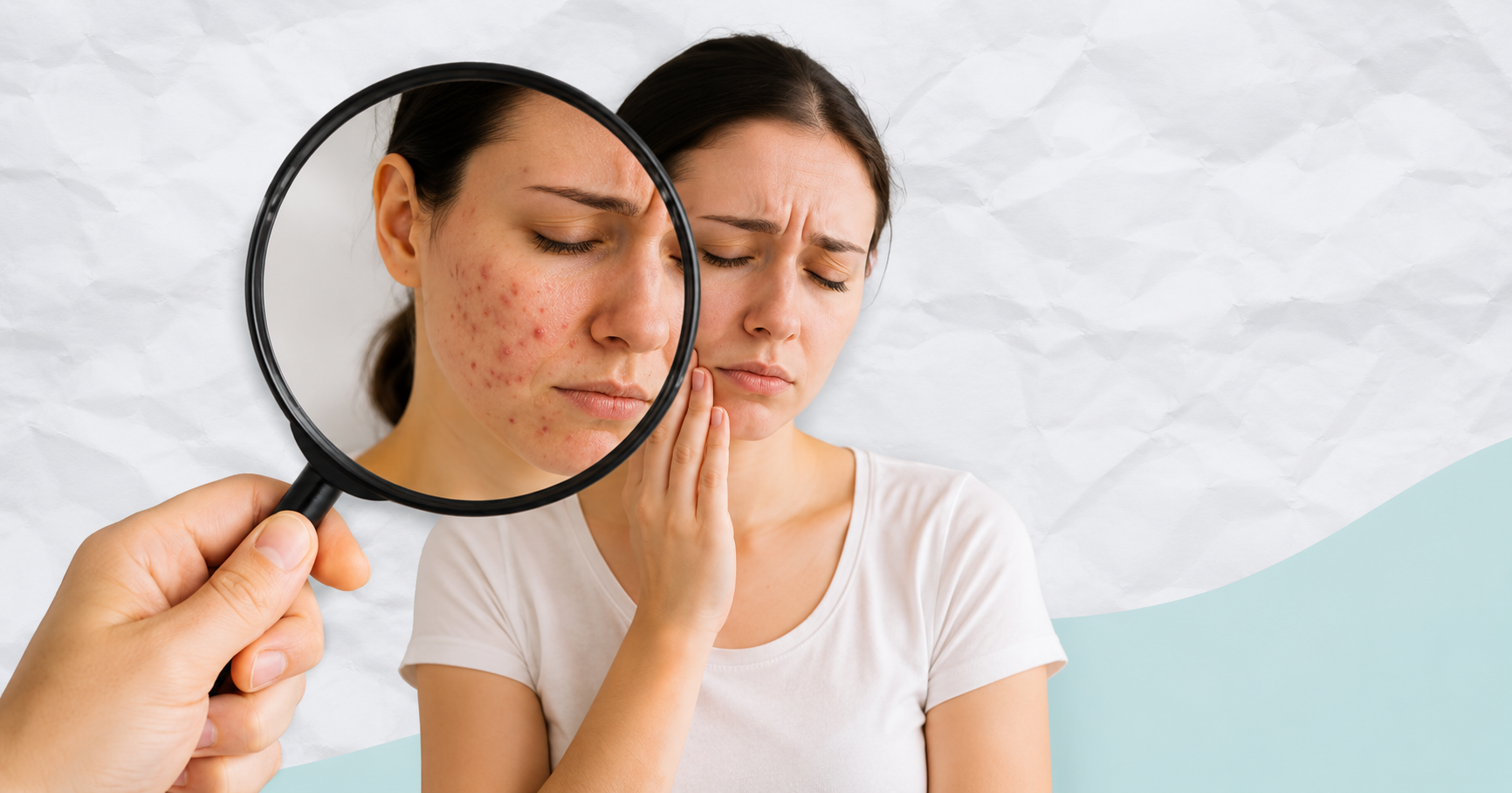
Recurring acne can be frustrating, especially when breakouts continue despite regular skincare or return around the menstrual cycle. In some women, hormonal changes can influence oil production, contribute to clogged pores and trigger persistent acne, particularly around the chin, jawline and lower face.
At Yuvani Aesthetic Clinic in Navi Mumbai, Dr. Gunjan Gangaraju, Aesthetic Physician, provides personalised skin assessment and treatment planning for acne and related skin concerns. If your acne appears to be associated with hormonal changes or PCOD/PCOS, understanding the possible underlying factors is an important part of planning appropriate care.
Whether you are experiencing recurring breakouts, oily skin, inflamed pimples or acne marks, the treatment approach should be based on your skin condition, medical history and individual needs.
What Is Hormonal Acne?
Hormonal acne is a term commonly used for breakouts influenced by hormonal fluctuations. Androgens, including testosterone, can stimulate the sebaceous glands to produce more sebum (natural skin oil). Excess oil, together with dead skin cells and inflammation, can contribute to clogged pores and acne lesions.
Hormonal acne is commonly associated with:
- Breakouts around the chin and jawline.
- Acne that becomes worse before or during menstruation.
- Recurrent pimples in similar areas.
- Deep, inflamed or tender acne lesions.
- Persistent acne during adulthood.
- Oily skin and clogged pores.
Hormonal changes can contribute to acne, but the location or appearance of pimples alone cannot confirm a hormonal cause. A clinical assessment helps determine whether hormonal factors, skincare habits, medication or other conditions may be involved.
What Causes Hormonal Acne in Women?
Hormonal acne can have several contributing factors. Some of the common ones include:
1. Androgen Activity
Androgens can increase sebum production by stimulating the oil glands. When oil production increases, pores may become more easily congested, contributing to acne breakouts.
2. Menstrual Cycle Changes
Hormone levels fluctuate during the menstrual cycle. Some women notice increased oiliness and acne flare-ups in the days before their period.
3. PCOD/PCOS
Polycystic ovary syndrome (PCOS), also known as PCOD in common usage, can be associated with increased androgen activity. This may contribute to persistent acne, oily skin and other symptoms such as irregular periods, excess facial hair or scalp hair thinning.
However, not every woman with hormonal acne has PCOD/PCOS, and not every woman with PCOD/PCOS develops acne.
4. Stress and Sleep Changes
Ongoing stress and irregular sleep may affect overall skin health and can coincide with acne flare-ups. They are not the only causes of acne, and persistent breakouts may need specific treatment.
5. Skincare and Other Contributing Factors
Heavy or unsuitable skincare products, certain medications and individual skin tendencies may also contribute to acne. Reviewing your skincare routine and medical history can help identify possible triggers.
Signs You May Need Hormonal Acne Assessment
Consider a professional assessment if you experience:
- Repeated breakouts around the chin, jawline or lower cheeks.
- Acne flare-ups that follow a menstrual pattern.
- Persistent acne despite using regular skincare products.
- Deep, painful or inflamed pimples.
- Acne along with irregular or missed periods.
- Acne accompanied by increased facial hair or scalp hair thinning.
- Dark marks or scars following repeated breakouts.
If acne occurs along with irregular periods, excess facial hair or other symptoms of androgen excess, a gynaecological or endocrine evaluation may also be appropriate.
Hormonal Acne and PCOD/PCOS: What Is the Connection?
PCOD/PCOS is one possible hormonal condition associated with persistent acne in women. Increased androgen activity may stimulate oil glands and contribute to recurring breakouts.
Women with PCOD/PCOS may also experience:
- Irregular menstrual cycles.
- Increased facial or body hair.
- Scalp hair thinning.
- Oily skin.
- Difficulty managing weight in some cases.
- Darkened, thicker skin around the neck or underarms.
However, acne alone is not enough to diagnose PCOD/PCOS. Diagnosis requires an appropriate medical assessment and, where indicated, hormonal or metabolic investigations.
At Yuvani, skin-related concerns can be assessed alongside gynaecological care when appropriate. Women experiencing acne together with menstrual irregularities may benefit from discussing their concerns with Dr. Nandita Dubey, Cosmetic Gynaecologist.
Learn more about PCOD/PCOS Treatment in Navi Mumbai.
Hormonal Acne Treatment Options
Hormonal acne treatment depends on the severity of breakouts, the presence of underlying hormonal concerns, skin sensitivity and previous treatment response. There is no single treatment suitable for everyone.
1. Topical Acne Treatments
Topical treatments may be recommended to address clogged pores, inflammation and acne-causing processes within the skin.
Depending on the type and severity of acne, a treatment plan may include ingredients such as:
- Retinoids to help prevent clogged pores.
- Benzoyl peroxide to reduce acne-causing bacteria and inflammation.
- Azelaic acid to help manage acne and post-acne marks.
- Salicylic acid to support pore cleansing.
The appropriate product, strength and frequency depend on individual skin needs. Some ingredients may not be suitable during pregnancy or when planning pregnancy, so medical advice is important.
2. Medical Management of Hormonal Factors
For selected women, a doctor may consider hormonal treatment as part of acne management. Depending on the individual's medical history and hormonal assessment, options may include certain combined oral contraceptives or anti-androgen medicines.
These medicines are not suitable for everyone and require a qualified medical professional's evaluation and prescription. Pregnancy plans, existing medical conditions and possible side effects must be considered.
3. Professional Skin Treatments
Some patients may benefit from professional skin treatments as part of a broader acne-care plan. Depending on the skin condition, selected options may include:
- Chemical peels for appropriate acne and surface-texture concerns.
- Professional acne treatments for selected breakouts.
- Treatments for post-acne marks or uneven skin texture.
- Acne-scar procedures when active acne is adequately controlled.
Procedures are selected according to the type of acne, skin sensitivity and treatment goals. They do not replace medical management when an underlying hormonal condition is present.
4. Personalised Skincare Routine
A suitable home skincare routine can support acne management. It may include:
- A gentle cleanser.
- A non-comedogenic moisturiser.
- Sunscreen suitable for acne-prone skin.
- Clinician-recommended acne products.
- Avoiding excessive scrubbing and picking at pimples.
Using too many active ingredients together may irritate the skin and make acne management more difficult.
Hormonal Acne Treatment at Yuvani Aesthetic Clinic
At Yuvani Aesthetic Clinic, treatment planning begins with understanding the patient's skin concerns and previous treatment experience.
Dr. Gunjan Gangaraju, Aesthetic Physician, is associated with the clinic's skin and aesthetic treatments. Her approach focuses on assessing individual skin needs and discussing suitable treatment options rather than recommending the same procedure for every patient.
Depending on your symptoms, the assessment may consider:
- The type, location and severity of acne.
- Whether breakouts follow a menstrual pattern.
- Your current skincare routine.
- Previous acne treatments and response.
- Skin sensitivity and tendency towards pigmentation.
- Whether additional medical or gynaecological evaluation may be needed.
If the acne appears to be associated with PCOD/PCOS or another hormonal concern, coordinated care with an appropriate medical specialist may be recommended.
Why Consult Dr. Gunjan Gangaraju for Acne Treatment?
Dr. Gunjan Gangaraju is an Aesthetic Physician at Yuvani Aesthetic Clinic Navi Mumbai. Her qualifications include MBBS, IFAAM, FCGP and a Master's in Cosmetic Gynaecology.
Her aesthetic training includes anti-ageing medicine, and her clinical interests include non-surgical aesthetic treatments such as dermal fillers, threads and mesotherapy.
For patients experiencing recurring acne, a consultation with Dr. Gunjan can help assess the visible skin concern, discuss appropriate aesthetic and skincare options, and identify when additional medical evaluation may be necessary.
The goal is to develop a treatment plan that considers both the current condition of the skin and the factors that may be contributing to repeated breakouts.
How to Prevent Repeated Hormonal Acne Breakouts
Hormonal acne may not always be preventable, particularly when hormonal fluctuations or an underlying medical condition are involved. However, consistent skincare and appropriate medical care can help manage recurring breakouts.
Some useful habits include:
- Cleanse your face gently without over-washing.
- Use non-comedogenic skincare and makeup products.
- Avoid squeezing or picking pimples.
- Follow your prescribed acne treatment consistently.
- Use sunscreen regularly.
- Maintain a balanced diet and regular physical activity.
- Get adequate sleep.
- Seek medical advice if acne is persistent or accompanied by menstrual irregularities.
- Do not stop prescribed medication or start hormonal medicines without consulting your doctor.
Frequently Asked Questions About Hormonal Acne Treatment
1. What is the best treatment for hormonal acne?
Treatment depends on the cause and severity of acne. Options may include topical acne medicines, selected hormonal treatments and professional skin procedures. A clinical assessment helps determine the most suitable combination.
2. Can PCOD/PCOS cause hormonal acne?
Yes. Increased androgen activity associated with PCOD/PCOS can stimulate oil glands and contribute to persistent acne. However, acne can also occur without PCOD/PCOS.
3. When should I consult a doctor for hormonal acne?
Consider a consultation if acne is persistent, painful, recurring around your menstrual cycle or leaving scars. Acne accompanied by irregular periods, excess facial hair or scalp hair thinning may also require hormonal evaluation.
4. Can hormonal acne be treated permanently?
There is no guaranteed permanent cure for hormonal acne. However, appropriate treatment can help control breakouts and reduce recurrence. Maintenance may be needed depending on the underlying cause.
5. Does hormonal acne occur only on the chin and jawline?
No. Although the chin and jawline are common areas, hormonal acne may also affect the cheeks, forehead, chest and back.
6. Can skincare products alone control hormonal acne?
Mild acne may improve with suitable skincare and topical products. Persistent or moderate-to-severe acne may require medical treatment, particularly when hormonal factors are involved.
7. Can hormonal acne leave scars or dark marks?
Yes. Inflamed or deep acne lesions can leave post-inflammatory dark marks or permanent scars. Avoid picking pimples and seek appropriate treatment early to reduce the risk of scarring.
8. Is hormonal acne treatment different for women with PCOD/PCOS?
It may be. Women with PCOD/PCOS may need acne treatment alongside assessment and management of hormonal or metabolic concerns. Treatment should be individualised according to symptoms and medical history.
9. Who can I consult for hormonal acne treatment in Navi Mumbai?
You can consult Dr. Gunjan Gangaraju, Aesthetic Physician at Yuvani Aesthetic Clinic in Navi Mumbai, for assessment of acne and discussion of suitable skin-treatment options. If an underlying hormonal condition is suspected, additional gynaecological or endocrine evaluation may be recommended.
Consult Dr. Gunjan Gangaraju for Hormonal Acne Treatment in Navi Mumbai
Recurring acne can affect more than the appearance of your skin. If breakouts keep returning, leave marks or appear alongside menstrual changes, understanding the contributing factors is an important first step.
For hormonal acne treatment in Navi Mumbai, consult Dr. Gunjan Gangaraju at Yuvani Aesthetic Clinic. A personalised assessment can help identify suitable skin-care options and whether further evaluation for hormonal concerns is needed.
Book a consultation to discuss your acne concerns and explore an appropriate treatment plan.
Visit Yuvani Aesthetic Clinic
Address: First Floor, Shop No. 74–77, Chaturbhuj HSG, Plot No. 61, Sector 21, Kharghar, Navi Mumbai – 410210
Phone: +91 7977585840 / 022-31859328

 Call Us
 WhatsApp