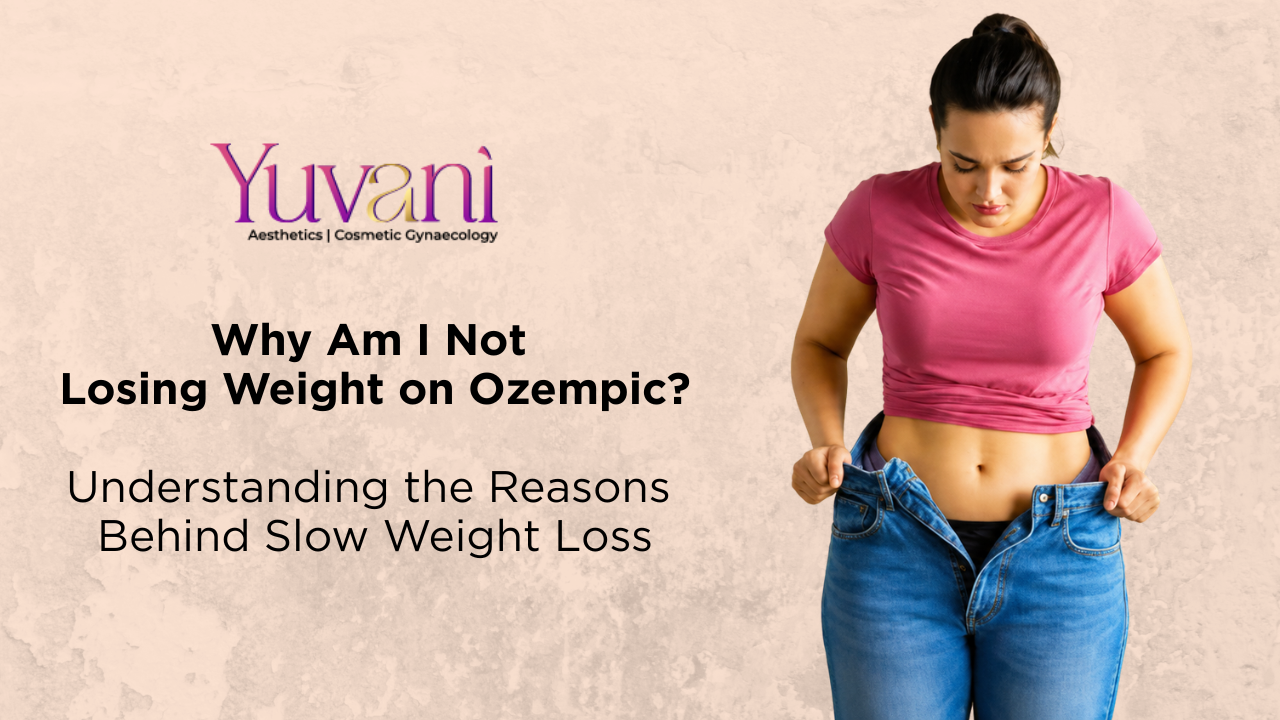
Ozempic has gained popularity as an effective medication for managing blood sugar levels and supporting weight loss in eligible individuals. By helping control appetite, improving insulin sensitivity, and slowing digestion, Ozempic can support healthier weight management when combined with lifestyle changes.
However, some people notice that their weight loss is slower than expected or that they are not losing weight despite taking Ozempic. This can feel frustrating, especially when you are following your treatment plan and making efforts to improve your health.
If you are wondering “Why am I not losing weight on Ozempic?”, the reason may involve several factors, including dosage, diet, lifestyle habits, metabolism, and individual response to the medication.
This guide explains the common reasons why Ozempic may not be showing expected weight loss results and what steps can help improve your weight management journey.
How Does Ozempic Help With Weight Loss?
Ozempic contains semaglutide, a medication that belongs to the GLP-1 receptor agonist group. It supports weight management by:
- Reducing appetite and food cravings
- Increasing feelings of fullness after meals
- Slowing stomach emptying
- Improving blood sugar control
- Supporting better insulin regulation
While Ozempic can assist with weight loss, results vary from person to person. It is not a standalone solution and works best when combined with a balanced diet, regular activity, and medical guidance.
Why Am I Not Losing Weight on Ozempic?
Several factors can affect your weight loss progress while taking Ozempic.
1. Your Dose May Not Be Optimized Yet
Ozempic is usually started at a lower dose and gradually increased based on tolerance and medical advice. During the initial weeks, some people may experience limited weight loss because:
- The starting dose is designed to help your body adjust
- The full effect may take time
- Your doctor may need to gradually modify your dosage
Never increase or change your dose without consulting your healthcare provider.
2. You May Not Have Been Taking Ozempic Long Enough
Weight loss with Ozempic is a gradual process. Some individuals notice changes within the first few weeks, while others may require several months to see significant results. Factors affecting the timeline include:
- Starting weight
- Metabolic health
- Lifestyle habits
- Medication response
- Dose adjustments
Consistency is important when evaluating treatment effectiveness.
3. Your Diet May Be Limiting Your Results
Although Ozempic reduces appetite, food choices still play an important role. Weight loss may slow down if your diet includes:
- High-calorie processed foods
- Sugary beverages
- Excess refined carbohydrates
- Large portion sizes
- Insufficient protein intake
A balanced diet rich in lean proteins, vegetables, fibre-rich foods, healthy fats, and adequate hydration can support better results.
4. Lack of Physical Activity
Ozempic can support weight loss, but regular movement helps improve overall outcomes. Physical activity helps by:
- Increasing calorie expenditure
- Preserving muscle mass
- Improving metabolism
- Supporting better insulin sensitivity
A combination of strength training and regular walking can help maintain long-term weight management.
5. Your Body May Have Reached a Weight Loss Plateau
Many people experience a plateau during their weight loss journey. This happens because the body adapts to changes in:
- Calorie intake
- Metabolism
- Activity levels
- Hormonal signals
A plateau does not always mean Ozempic has stopped working. Your healthcare provider can review your progress and suggest appropriate adjustments.
6. Underlying Medical Conditions May Affect Weight Loss
Certain health conditions can make weight loss more challenging. These may include:
- Thyroid disorders
- Polycystic ovary syndrome (PCOS)
- Insulin resistance
- Hormonal imbalances
- Sleep disorders
- Certain medications
A detailed medical evaluation can help identify factors affecting your progress.
Common Reasons Ozempic Weight Loss May Be Slower
Some additional factors include:
- Not following the prescribed medication schedule
- Poor sleep quality
- High stress levels
- Emotional eating habits
- Low protein intake
- Loss of muscle mass
- Unrealistic weight loss expectations
Successful weight management requires addressing both medical and lifestyle factors.
How Much Weight Loss Can You Expect With Ozempic?
Weight loss results vary depending on individual factors such as dosage, duration of treatment, diet, physical activity, and overall health condition. Some people experience noticeable weight reduction, while others may see slower changes. Your healthcare provider can help set realistic weight loss goals based on your health profile.
What Can You Do If Ozempic Is Not Helping You Lose Weight?
If you are not seeing expected results, consider the following steps:
Review Your Treatment Plan
Your doctor may assess current dosage, treatment duration, side effects, and progress tracking.
Improve Nutrition Habits
Focus on higher protein meals, portion control, balanced nutrition, and reduced processed foods.
Increase Physical Activity
Include daily walking, resistance exercises, and regular movement throughout the day.
Track Your Progress
Monitor weight changes, body measurements, eating patterns, and energy levels. Progress is not always reflected only on the weighing scale.
When Should You Consult a Doctor?
You should seek medical guidance if:
- You have no weight loss after several months
- You experience significant side effects
- Your appetite control has reduced
- Your weight continues increasing
- You have concerns about your treatment plan
A healthcare professional can determine whether adjustments or alternative approaches are needed.
Tips to Improve Your Weight Loss Journey While Taking Ozempic
To support better results:
- Eat protein-rich meals
- Drink enough water
- Avoid skipping meals
- Prioritize quality sleep
- Manage stress levels
- Follow your prescribed medication schedule
- Stay physically active
- Attend regular follow-up consultations
Small, consistent changes can significantly improve long-term outcomes.
Choosing the Right Clinic for Medical Weight Loss Guidance
Successful weight management requires more than medication alone. The right approach includes detailed health assessment, personalized weight loss planning, lifestyle guidance, regular progress monitoring, and safe medication management. An experienced medical team can help identify why your weight loss has slowed and create a plan suited to your individual needs.
Why Choose Yuvani Aesthetic Clinic, Kharghar, Navi Mumbai?
At Yuvani Aesthetic Clinic, Kharghar, Navi Mumbai, we provide personalized weight management guidance focused on safe and sustainable results. Our approach includes:
- Comprehensive health evaluation
- Individualized weight loss plans
- Lifestyle and nutrition guidance
- Medical supervision
- Long-term weight management support
Whether you are struggling with slow weight loss on Ozempic or looking for a structured approach to achieve your health goals, our team helps you understand the factors affecting your progress and guides you toward better outcomes.
Conclusion
Not losing weight on Ozempic can happen due to several reasons, including dosage adjustments, lifestyle factors, metabolic conditions, or individual response to the medication.
Ozempic can be a valuable tool for weight management, but achieving sustainable results requires a personalized approach that combines medical guidance, healthy nutrition, and lifestyle changes.
If you are wondering “Why am I not losing weight on Ozempic?”, consult Yuvani Aesthetic Clinic, Kharghar, Navi Mumbai, for expert guidance and a personalized weight management plan designed around your health goals.
Consult our experts at Yuvani Clinic for a personalised plan:
Yuvani Skin Aesthetics & Aesthetic Gynaecology Clinic
Address: First Floor, Shop No. 74-77, Chaturbhuj HSG, Plot No. 61, Sector - 21, Kharghar, Navi Mumbai - 410210
Phone: +91 7977585840 / 022-31859328

 Call Us
 WhatsApp